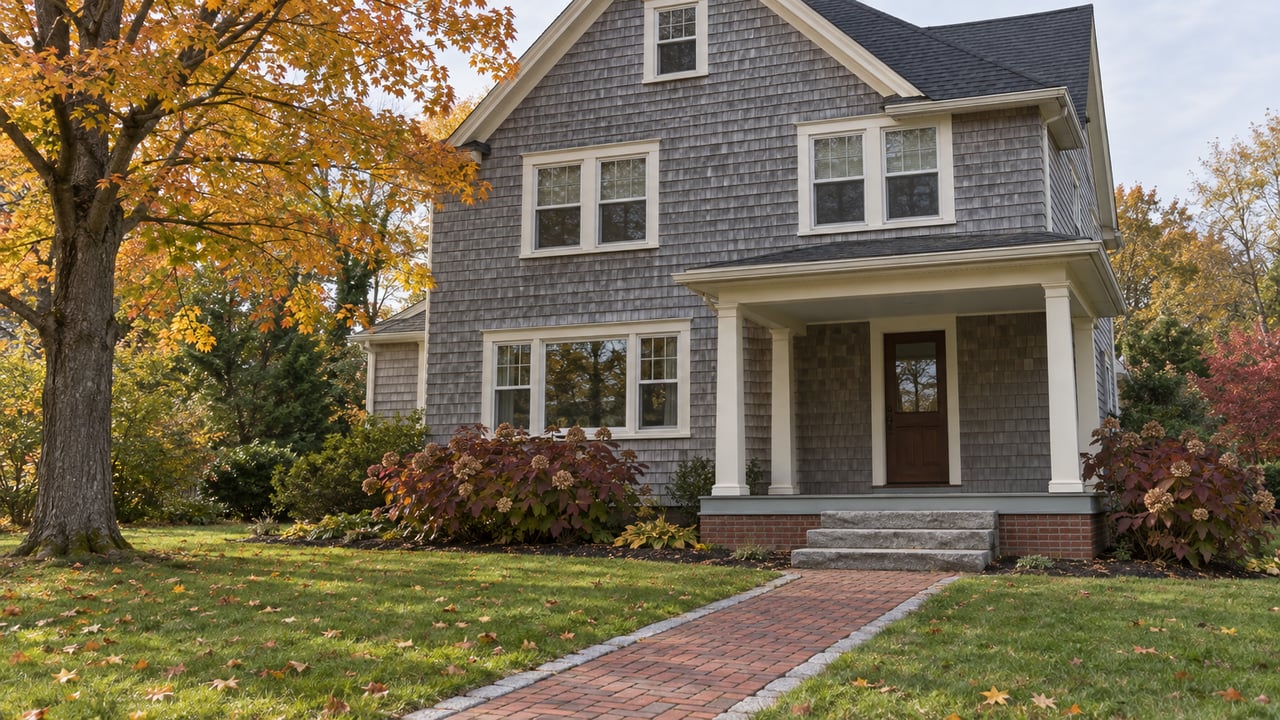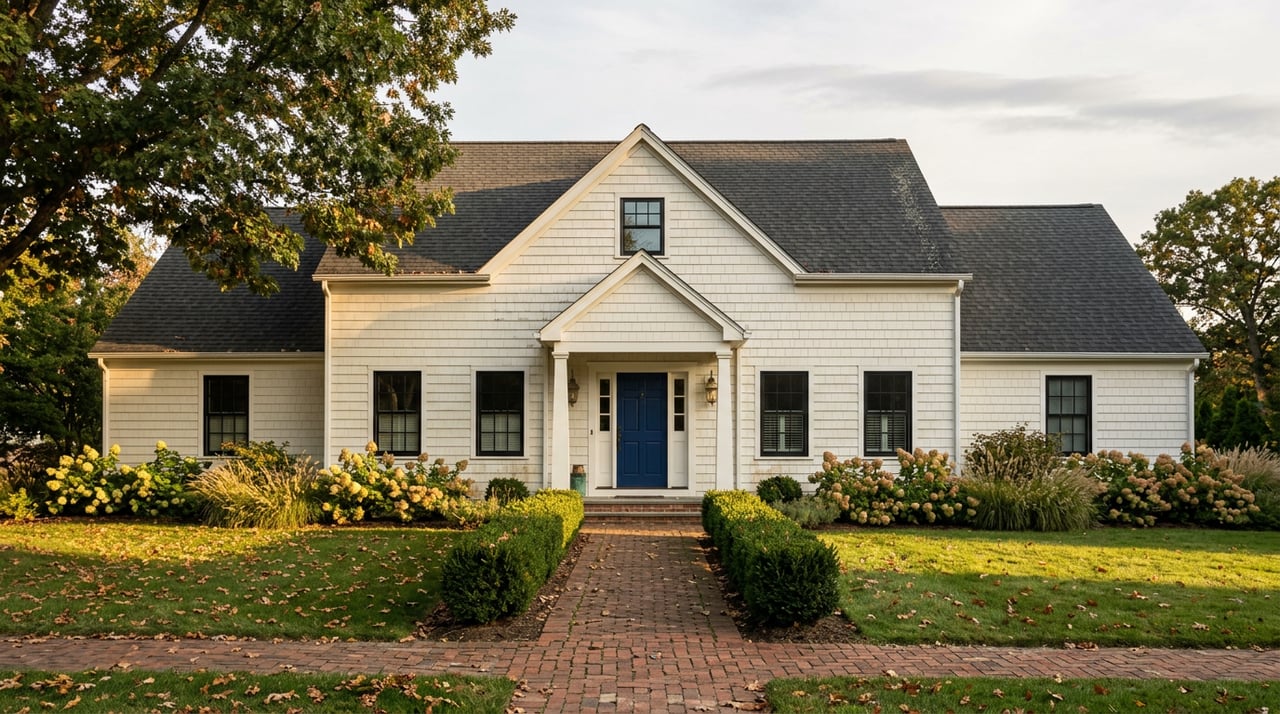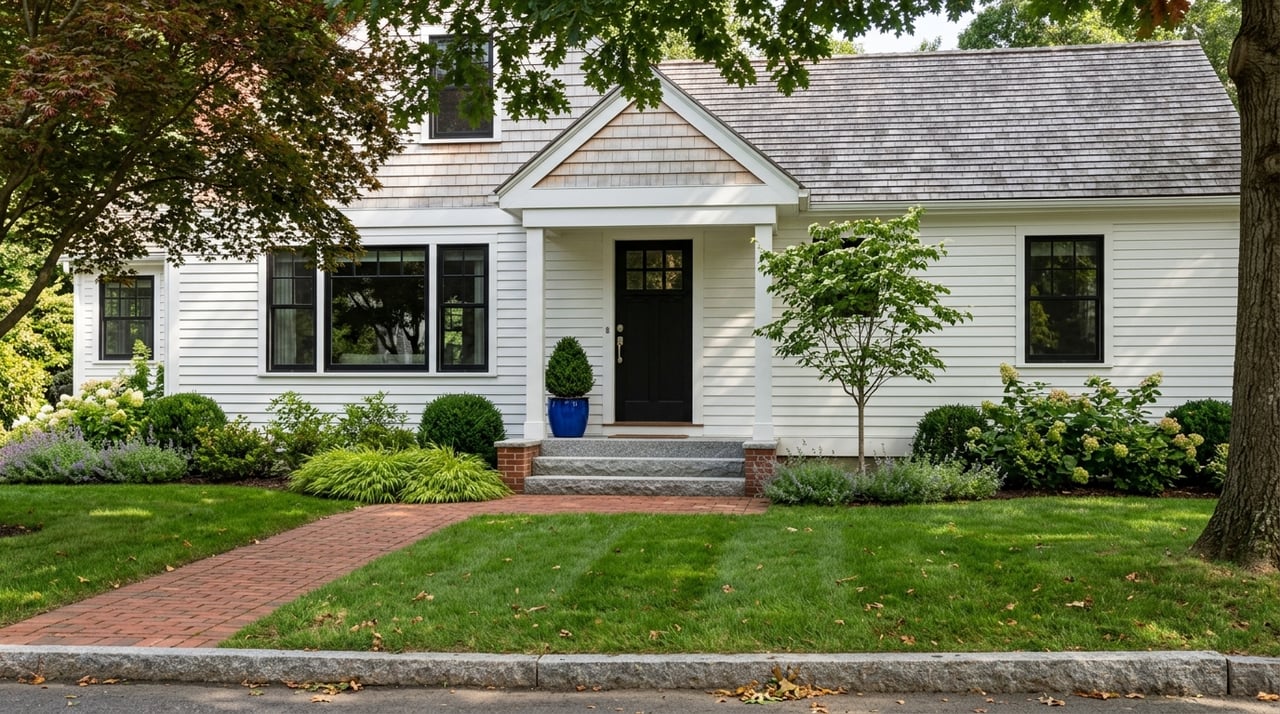
If you are searching for a family home in Waban, the street can matter almost as much as the house itself. In a village where transit, school pathways, historic housing stock, and quiet residential blocks all sit close together, one address can feel very different from the next. The good news is that once you know what to compare, you can narrow your search with much more confidence. Let’s dive in.
Why streets matter in Waban
Waban is one of Newton’s 13 villages, and the city describes it as a convenience center with a small commercial core centered around Beacon Street and the Green Line. Even with that village center, Waban remains almost entirely residential, with about 96% single-family housing according to the city’s Pattern Book. That mix helps explain why buyers are often drawn to Waban in the first place.
You get a village feel, but you also get a neighborhood that still reads as suburban on many blocks. The city notes that even streets near MBTA stations can retain that residential character because there is relatively little density around them. For family buyers, that creates a very specific kind of appeal: convenience without giving up a traditional neighborhood setting.
Start with your daily routine
Before you focus on a specific street name, think about how your household will actually live in the home. In Waban, the most sought-after streets are often the ones that best match a family’s daily logistics, not just the ones with the most impressive houses.
A few questions usually shape the decision:
- Do you want easier access to the village center and Green Line?
- Do you prefer a quieter block over quick walkability?
- Is school assignment a major factor in your search?
- Would parking rules affect your day-to-day routine?
- Do you want a home near community anchors like the library, common, or club amenities?
When you answer those questions early, you can evaluate each micro-location more clearly.
Know Waban’s street pattern
Waban’s layout is not uniform, and that affects how different streets feel. The city describes a slightly more regular, grid-like network north of the Green Line and a more curving suburban street pattern to the south.
That means two homes in the same village can offer very different experiences. One area may feel more connected to the center and easier to navigate on foot, while another may feel more tucked away and residential. Neither is automatically better. It depends on what matters most to you.
Beacon Street and station access
Best for convenience
If you want the strongest connection to village life, Beacon Street and the station area deserve close attention. Waban station, Angier Elementary, the Waban Library Center, and local historic markers all sit on or just off Beacon Street, making this the most transit-oriented and village-centered part of Waban.
For some buyers, that is exactly the point. You may value easier Green Line access, proximity to the library, and a shorter path to the village core. If you expect to use transit regularly or want a location tied closely to daily errands and community activity, Beacon-adjacent blocks can be very appealing.
Trade-off to weigh
That same convenience can bring more traffic and parking management. The city’s Waban Village Parking District includes part of Beacon Street, so buyers should treat parking rules as a practical quality-of-life factor rather than an afterthought.
If you are comparing homes near the core, look beyond the house itself. Pay attention to traffic flow, parking restrictions, and how the block feels at different times of day.
Woodward Street and Windsor Road
Best for established residential character
Woodward Street and Windsor Road are especially useful to study if you are drawn to Waban’s older residential fabric. Historic Newton notes that architect Herbert Langford Warren lived on Woodward Street and designed additional residences on both Woodward Street and Windsor Road.
That history matters because it often signals the kind of block buyers are looking for in Waban: established homes, architectural character, and a settled residential feel. If you are hoping for a house with period detail and a street that feels rooted in the village’s long development story, this area may rise to the top of your list.
What buyers often like here
These streets tend to appeal to buyers who want Waban character first and foremost. You may find that the draw is less about direct station access and more about the overall feeling of the block, the homes, and the neighborhood setting.
For many family buyers, that emotional fit matters. A street that feels calm, cohesive, and established can be just as valuable as one that is closest to the center.
Chestnut Street corridor
Best for access with caution
Chestnut Street is another area buyers frequently compare, especially because it includes several historic architect-designed homes. Historic Newton highlights notable homes at 627, 658, and 703 Chestnut Street, which adds to the corridor’s architectural interest.
At the same time, Chestnut is one of the arterial roads that crosses Waban. Based on the city’s street-network description, homes on or near this corridor may feel more exposed to through traffic than homes on interior local streets.
What to check in person
If you are considering this area, spend time evaluating the exact siting of the home. A property on the corridor itself may live differently from one just off it.
This is a good reminder that in Waban, micro-location matters. A short shift from an arterial road to a nearby interior street can change the feel of a home significantly.
Collins Road and Waban Common
Best for village-center atmosphere
For buyers who want a strong sense of community presence, Collins Road and the area around Waban Common are worth a serious look. The city places the Waban West history sign at Waban Common, opposite Union Church at 14 Collins Road, and the Waban Area Council meets at the Waban Library Center nearby.
Together, those civic anchors reinforce the identity of this part of Waban as more than just a collection of houses. It feels tied to the village’s shared spaces and institutions, which can be very appealing if you want a neighborhood-center atmosphere.
Practical detail to remember
Part of Collins Road is also included in the Waban Village Parking District. As with Beacon Street, buyers should confirm how parking rules apply to a specific address before making assumptions about day-to-day convenience.
That kind of due diligence is especially important in near-core locations, where the benefits of access can come with a few more practical considerations.
Quinobequin Road and the village edge
Best for quiet and open space
If your priority is privacy, a quieter setting, or proximity to open space, the village edge may be more appealing than the center. The city describes Quinobequin Road as a riverside drive between residential properties and protected open space, and notes that Varick Hill Conservation Area can be accessed from Varick Road or Quinobequin Road.
This area is likely to appeal to buyers who value a more peaceful setting over immediate walkability to the village center. For some families, that trade-off feels right. You may prefer a calmer street and natural surroundings, even if daily errands require a short drive.
A different kind of Waban appeal
This is still Waban, but the value story shifts. Instead of prioritizing transit and village-center access, you may be choosing a setting defined more by quiet, space, and a sense of separation from busier streets.
That distinction is why it helps to compare Waban by micro-location rather than by village name alone.
School pathway questions to ask
For many buyers, school assignment is one of the biggest drivers of interest in specific Waban streets. Angier Elementary is located at 1697 Beacon Street, and Angier students attend Brown Middle School and then Newton South High School.
But there is an important detail here. Newton Public Schools states that assignment is based on exact address, can change over time, and may include buffer zones.
That means you should not assume that every home in Waban shares the same pathway just because it is nearby. In practice, one block can differ from another, and the exact address matters.
School checks to make before you commit
When you are evaluating a home, make sure you ask:
- Is this exact property currently in the Angier-Brown-Newton South pathway?
- Is the address affected by a Newton Public Schools buffer zone?
- Has the seller represented the assignment accurately?
- Should you verify the assignment directly before finalizing a decision?
These questions are simple, but they can have a major impact on how a property fits your plans.
Community anchors that support demand
Waban’s long-term appeal is not only about house size or lot size. It is also tied to the institutions and built character that give the village its identity.
The Windsor Club on Beacon Street describes itself as Waban’s neighborhood club and offers social programming plus pool and tennis amenities. The Waban Library Center hosts community events, and the Waban Area Council meets there monthly. Those places help explain why Waban feels village-scale and connected.
Historic Newton also notes that many Waban homes, including Shingle, Colonial Revival, and early-20th-century Craftsman styles, are listed on the National Register of Historic Places. That architectural depth, along with Waban’s long civic history and the continued presence of the Waban Improvement Society, helps support the village’s enduring appeal.
How to choose the right street
The most sought-after street for your family is the one that supports how you want to live. In Waban, that usually comes down to balancing four factors:
- Convenience to the station and village center
- Quiet compared with busier roads and core blocks
- School assignment based on the exact address
- Daily logistics such as parking rules and traffic flow
When you view homes, try to assess the block as carefully as the property. A beautiful house on the wrong street for your routine may not feel right long term. A slightly less obvious address in the right micro-location often turns out to be the better fit.
If you are weighing several Waban options, a street-by-street comparison can save time and reduce second-guessing. With a neighborhood this nuanced, local guidance makes a real difference.
If you are planning a move in Waban or comparing homes across Newton’s villages, Debby Belt offers the kind of senior-level, highly personalized guidance that helps you evaluate not just the house, but the block, the daily logistics, and the long-term fit.
FAQs
How do school assignments work for a Waban home?
- Newton Public Schools says assignment is based on the exact address, can change over time, and may include buffer zones. Angier students attend Brown Middle School and then Newton South High School, but buyers should verify the current assignment for any specific property.
What makes Beacon Street in Waban appealing to buyers?
- Beacon Street connects closely to Waban station, Angier Elementary, the Waban Library Center, and the village core, so it offers strong convenience and transit access.
What should buyers know about parking near Waban Village?
- The city’s Waban Village Parking District includes part of Beacon Street, part of Collins Road, part of Dorset Road, Locke Road, Manitoba Road, Southwick Road, and part of Waban Avenue, so parking rules can affect daily life on some near-core blocks.
Why do buyers compare interior streets with arterial roads in Waban?
- Waban includes mostly local residential streets, but roads such as Chestnut Street function more as corridors, so buyers often compare easier access and visibility against the quieter feel of interior blocks.
What kind of homes are common in Waban?
- According to the city’s Pattern Book, Waban is almost entirely residential and about 96% single-family, with many homes contributing to its established suburban character.
Why do some buyers focus on Collins Road or Waban Common?
- This part of Waban has a strong village-center atmosphere because it is tied to Waban Common, nearby civic spaces, and the Waban Library Center, where the Waban Area Council meets.
What is the appeal of Quinobequin Road in Waban?
- Quinobequin Road sits along a quieter edge of the village near protected open space, so it may appeal to buyers who prioritize a calmer setting over immediate walkability to the village center.