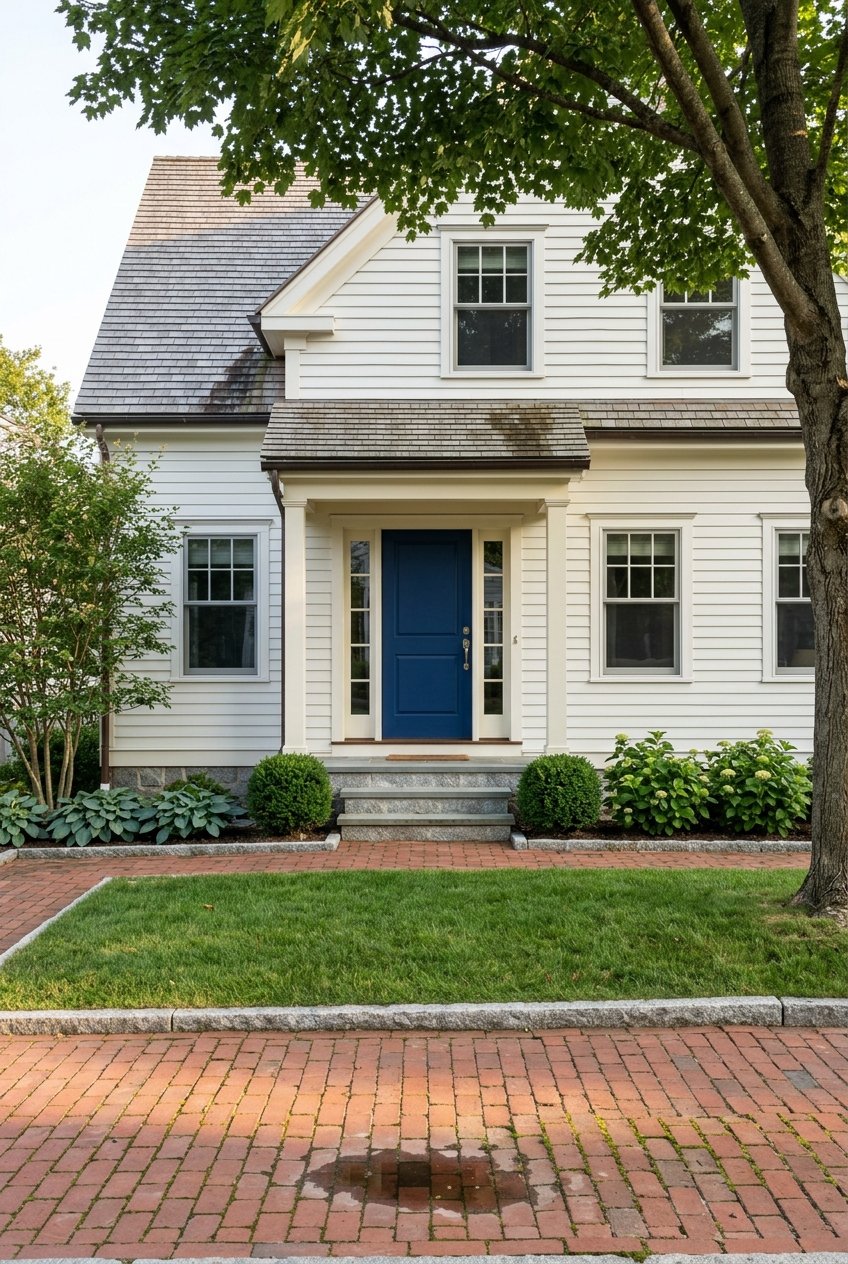
Choosing between a single-family home and a condo in Brookline is not just about square footage. In this market, the decision shapes your monthly costs, your day-to-day lifestyle, and how much control you will have over the property in the years ahead. If you are weighing both paths, this guide will help you compare them through a Brookline lens so you can move forward with more clarity. Let’s dive in.
Why this choice matters in Brookline
Brookline has a housing mix that makes this decision especially important. According to the town, Brookline has 28,274 dwelling units, with 4,579 single-family parcels and 10,588 residential condo parcels in FY2026 assessing. That means condos are not a side option here. They are a major part of the market.
Brookline also has limited housing growth and long-term conversion pressure. The town’s Consolidated Plan says the housing inventory has grown by only about 3,000 units over 30 years, while older multifamily rental buildings have also been converted to condos. In practical terms, both single-family homes and condos can be scarce, expensive, and competitive.
Single-family vs. condo basics
At a high level, a single-family home usually gives you more control over the house and lot. A condo usually gives you ownership of your individual unit plus a shared interest in the building or common areas. That shared structure often means less personal responsibility for common-property upkeep, but it also means monthly association contributions and less autonomy.
For many buyers, the right fit comes down to a few core questions. Do you want more privacy and property control, or do you prefer a more managed ownership model? Do you want to prioritize outdoor space and flexibility, or location and convenience?
What condo ownership means
In a condominium, you own your unit and share ownership of the common estate with other owners. HUD explains that condo owners also make monthly contributions to the association for common property. In Brookline, that means your monthly budget should account for a building-related payment in addition to your mortgage and property taxes.
That structure can appeal to buyers who want a lower-maintenance setup. If your priority is simplifying day-to-day ownership, a condo can offer a practical path, especially in Brookline’s more transit-oriented village centers.
Condo buyers often value convenience
Brookline’s condo-heavy areas often line up with places that offer strong transit access, shops, services, and an easy daily routine. The town’s plans describe Brookline Village as offering green space, shopping, transportation access, and proximity to the Longwood Medical Area. That helps explain why buyers who value convenience often focus there.
Coolidge Corner shows a similar pattern. The town’s district plan says it offers a variety of housing options and faces strong development pressure because of transit access and commercial services. For buyers, that often translates into a more walkable, amenity-rich condo search.
What single-family ownership means
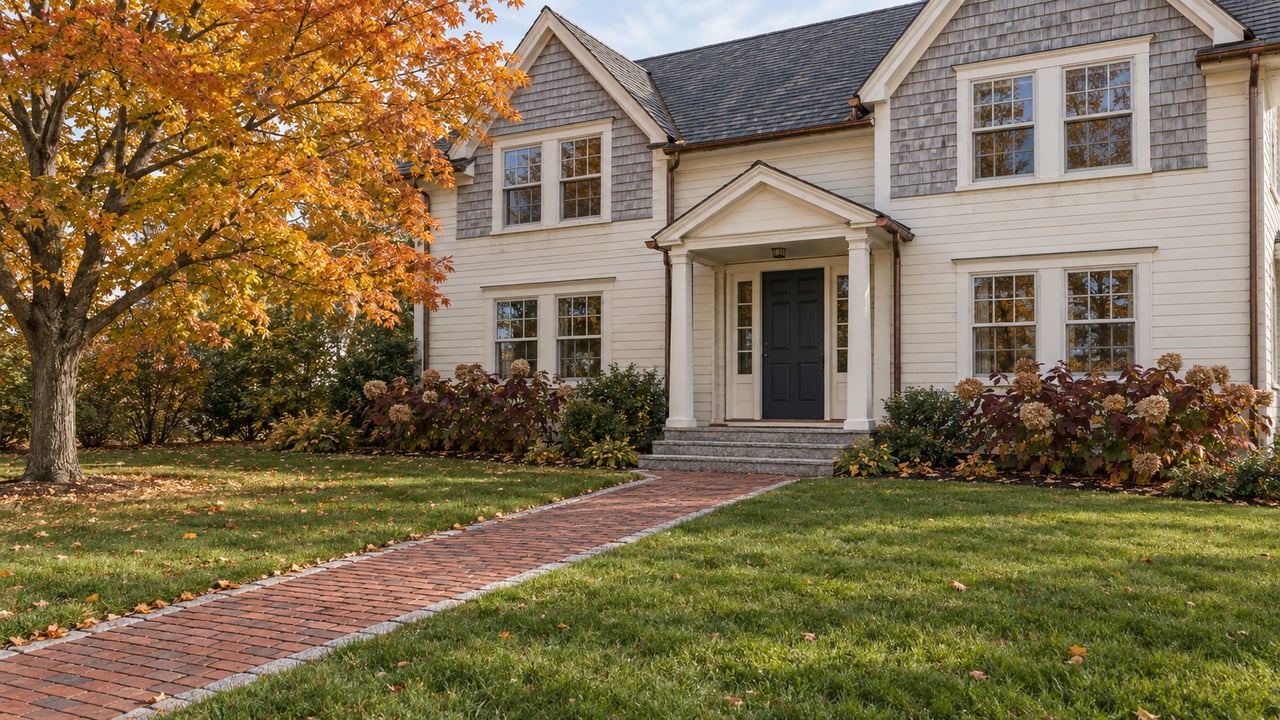
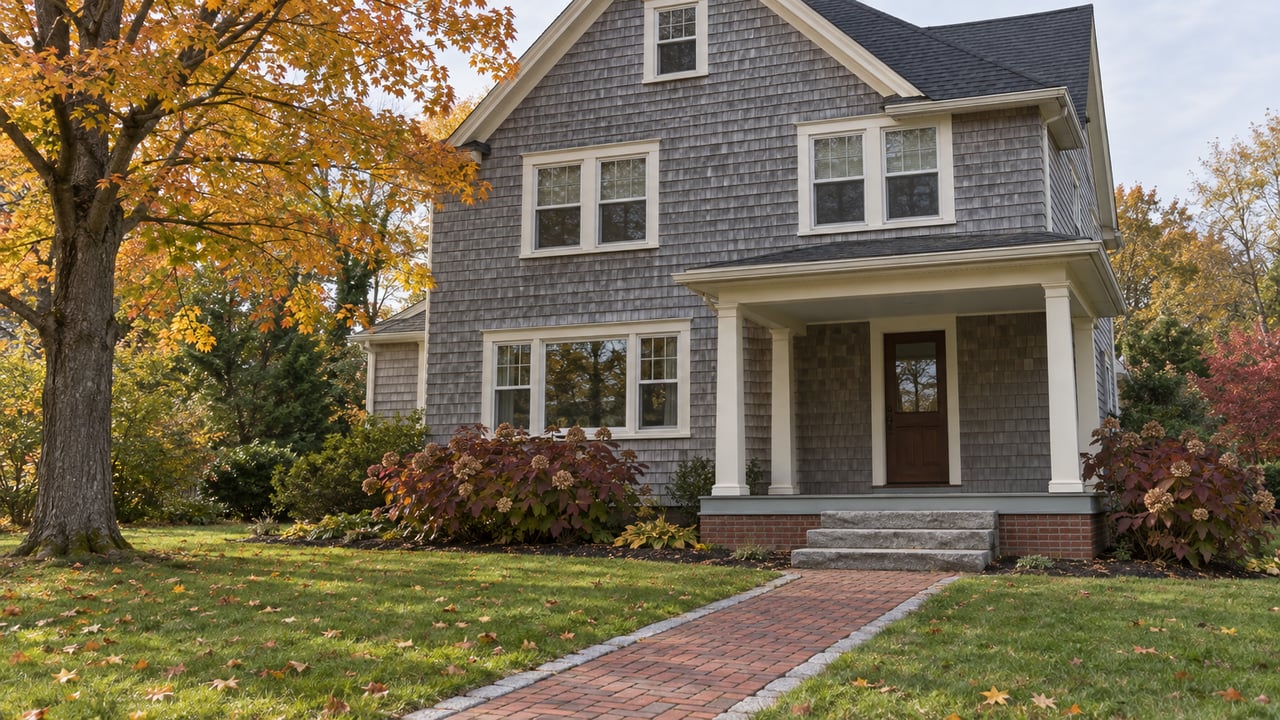
A single-family home usually gives you more direct control over your living environment. You are not sharing common ownership with a building association, and you have more say over how the property functions day to day. For buyers who want more separation, private outdoor space, or long-term flexibility, that can be a major advantage.
That said, more control does not mean unlimited freedom. In Brookline, future changes to a house may be shaped by zoning, preservation rules, and permitting timelines.
Renovation flexibility can vary by address
Brookline uses several residential zoning district types, including S, SC, T, F, and M. Town materials note that T districts extend across much of Brookline, so the block you choose can affect whether a property is relatively fixed, easier to expand, or more sensitive to redevelopment factors over time. This is one reason buyers should avoid assuming that every single-family home offers the same renovation potential.
The town also says accessory dwelling units are allowed only in single-family homes or accessory buildings on those properties. If creating an ADU matters to you, a house may be the more suitable option, but the parcel and zoning still need to be reviewed carefully.
Historic and permitting rules matter
Brookline’s review process can add time and complexity when a property is nonconforming or located in a historic district. The town says a special permit or variance process can take up to six months. It also says most exterior work in Local Historic Districts requires review.
Demolition timing can be another factor. Brookline notes that demolition stays can last 12 months for most properties and 18 months for National or State Register-listed properties. If you are buying a home with plans to make visible exterior changes, those timelines should be part of your decision.
Cost differences are often substantial
For many buyers, the biggest difference between a Brookline condo and a Brookline single-family home is not lifestyle alone. It is total carrying cost.
Brookline uses a split tax rate. For FY2026, the residential tax rate is $10.24 per $1,000 of assessed value, and the town also levies a 1% Community Preservation Act surcharge on real property tax bills, with certain exemptions. Qualified owner-occupants may also be eligible for a residential exemption, which deducts $354,974 from assessed value for a principal residence in FY2026.
The town’s examples show how differently this can play out by property type. A median-value condo with the residential exemption has a current annual tax bill of $4,962.57 before the CPA surcharge. A median-value single-family home with the residential exemption has a current annual tax bill of $20,904.20 before the CPA surcharge.
On a monthly basis, that works out to about $417.68 for the condo and about $1,759.44 for the single-family home after adding the 1% CPA surcharge, before other ownership costs. That is a meaningful gap before you even layer in mortgage payments, insurance, maintenance, or condo association charges.
Value differences help explain the tax gap
Brookline’s FY2026 classification materials show a wide average assessed-value gap between the two property types. The average assessed value per single-family parcel is $2,844,212, compared with $977,794 for a residential condo parcel. In other words, the single-family versus condo choice is often a major difference in both capital commitment and ongoing tax exposure.
Where buyers tend to look
Brookline does not divide neatly into “condo neighborhoods” and “house neighborhoods,” but clear patterns do show up. Areas with stronger transit and commercial nodes tend to have more condo and mixed-use concentration. More purely residential streets are more likely to appeal to buyers focused on single-family living.
North Brookline, according to the town’s Consolidated Plan, has a higher proportion of rental units and a smaller share of single-family homes. That can matter if you are looking for a more urban-feeling ownership experience or if you want to stay close to transportation and local services.
At the other end of the spectrum, some Brookline areas are more clearly single-family in character. The town describes Cottage Farm as a suburban neighborhood of single-family houses, and the Crowninshield district as a well-preserved collection of single-family housing built mainly in the early 20th century. For buyers who want Brookline access with a more house-oriented setting, those examples help frame the difference.
How buyers usually decide
Most Brookline buyers narrow this choice by matching the property type to how they want to live, spend, and plan ahead.
A single-family home may fit better if you want:
- More control over the house and lot
- Potential for an accessory dwelling unit, where zoning and parcel conditions allow
- More separation from neighbors and more private outdoor space
- A longer-term plan that may include renovation or expansion, with the understanding that town rules can affect timing and feasibility
A condo may fit better if you want:
- A shared ownership model with common-property management
- A more streamlined day-to-day ownership experience
- A location near transit, shops, and village-center amenities
- A lower property-tax burden than a typical Brookline single-family home, while budgeting for association costs
A smart Brookline buyer checklist
Before you choose one path over the other, it helps to review a few local details that can affect both cost and flexibility.
- Confirm the zoning district for any property you are seriously considering
- Ask whether the property is pre-existing nonconforming before assuming renovation flexibility
- Check whether the property is in a Local Historic District
- Verify whether you would qualify for the residential exemption if the home will be your principal residence
- Compare monthly carrying costs on a property-tax basis before adding mortgage, insurance, and condo-association charges
The best choice depends on your version of Brookline
There is no single right answer in Brookline. A condo may be the better move if you want convenience, shared upkeep, and a location tied closely to transit and daily amenities. A single-family home may be the better fit if you want greater control, more privacy, and long-term flexibility, while accepting the town’s rules around zoning and preservation.
The key is to evaluate the property type and the address together. In Brookline, a few blocks can change the feel of ownership, the future options for the property, and the true monthly cost. If you want help weighing those tradeoffs with a local, strategic lens, Debby Belt offers senior-level guidance for buyers navigating Brookline’s complex housing choices.
FAQs
What is the main difference between a Brookline single-family home and a Brookline condo?
- A single-family home usually offers more control over the property, while a condo combines ownership of your unit with shared ownership and monthly contributions for common areas.
Are condos common in Brookline?
- Yes. Brookline’s FY2026 assessing shows 10,588 residential condo parcels versus 4,579 single-family parcels, so condos are a major part of the market.
Do Brookline condos usually have lower property taxes than single-family homes?
- Based on the town’s current examples, yes. A median-value condo with the residential exemption has a much lower annual tax bill than a median-value single-family home with the residential exemption.
Can you add an accessory dwelling unit to a Brookline condo?
- No. Town materials say accessory dwelling units are allowed only in single-family homes or accessory buildings on those properties.
Why should Brookline buyers check zoning and historic district status?
- Because zoning, nonconforming status, and Local Historic District rules can affect what exterior changes or future improvements may be possible and how long approvals might take.