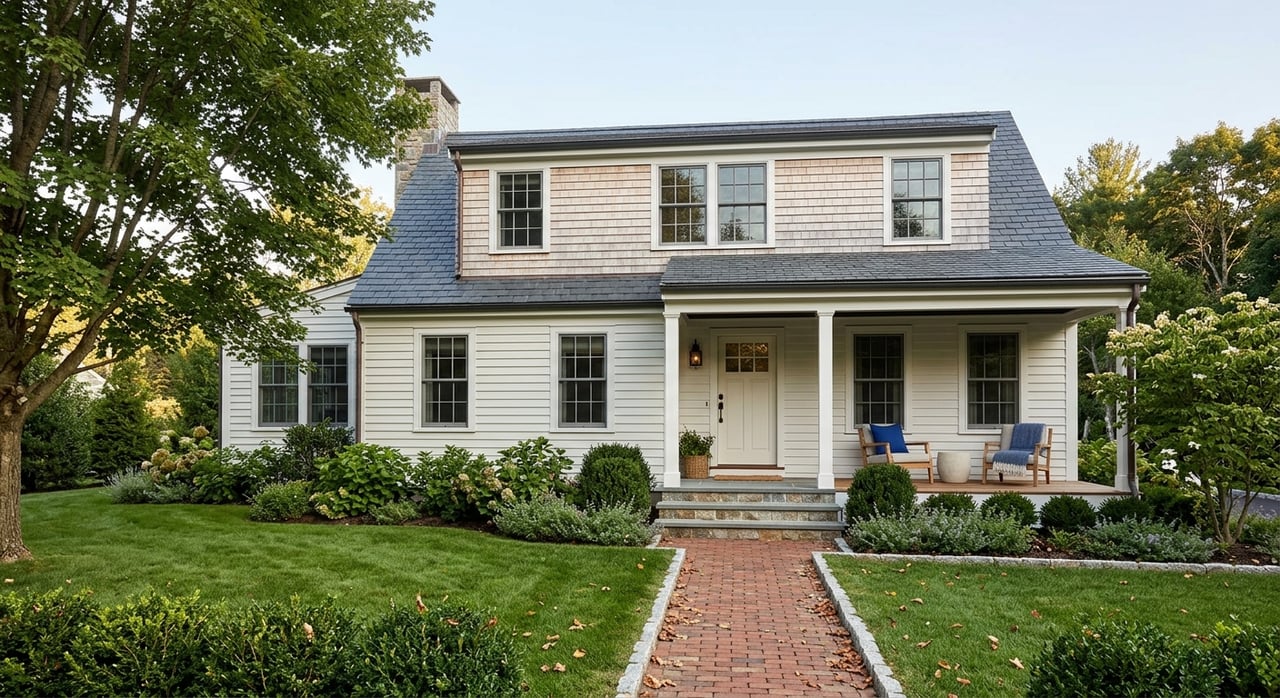
What makes one Newton home command a clear premium while another with similar square footage sells for less? In Newton, the answer often comes down to something more nuanced than size alone. If you are buying or selling in this market, it helps to understand how village location, land, architecture, and transit access shape value. Let’s dive in.
Newton’s village structure shapes pricing
Newton does not function like a one-center city. According to the city, Newton is organized around 13 distinct villages, with much of its commercial, cultural, and social activity centered in those historic village cores.
That matters because buyers are often evaluating more than just a home. They are also weighing the feel and function of a specific village, how close the property is to a center, and how easily they can reach transit, parks, and daily conveniences. In practice, that creates smaller submarkets with meaningful price differences.
The city’s Village Center Overlay District also reinforces this idea. It frames village centers as places connected to transit, amenities, and gathering spaces, which helps explain why homes near those cores often attract stronger demand.
Premium pricing starts with land
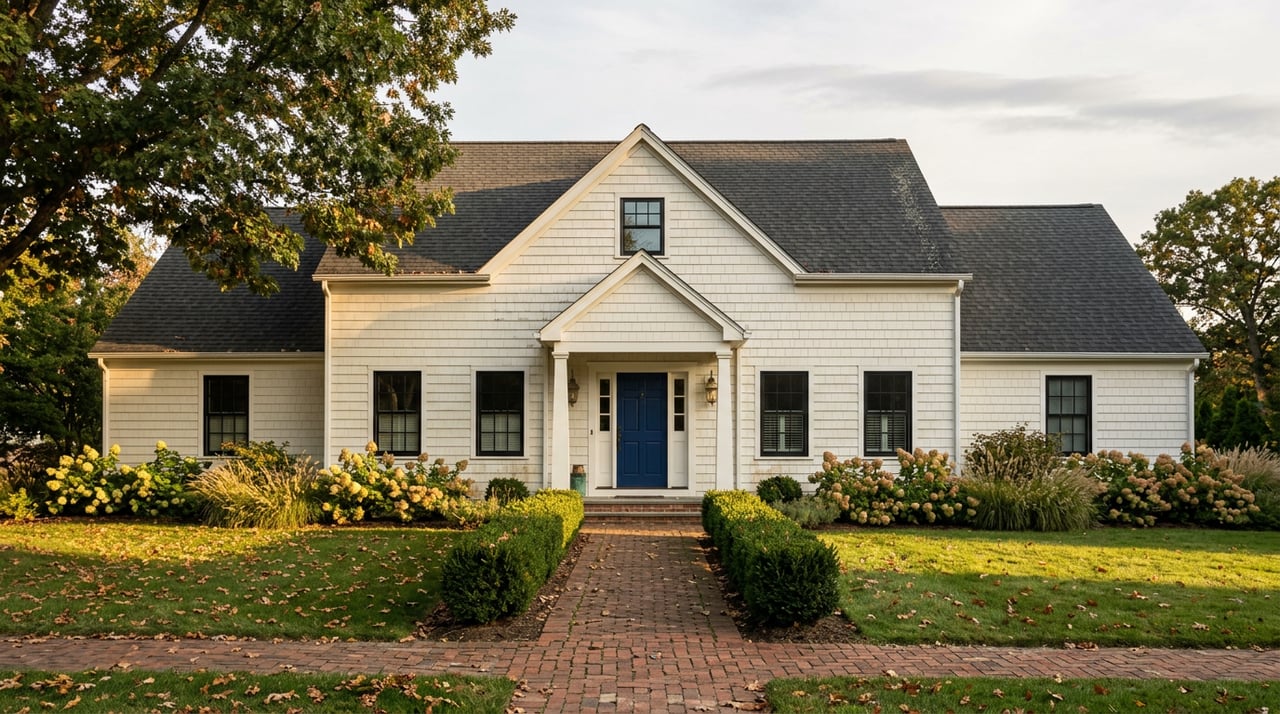
In Newton’s prime villages, land is one of the hardest features to replicate. A larger lot, better siting, and more usable outdoor space can all support stronger pricing, especially in villages where development history produced more generous parcels.
Historic Newton’s materials show this pattern clearly. Waban developed from large farms and later subdivision after rail expansion, while West Newton’s history includes substantial lots, gardens, and the breakup of larger estates into commuter-oriented homesites. In Newton Centre, parts of the village also grew out of large estates into sizable suburban house lots.
For sellers, this means the lot is often part of the story, not just the structure. For buyers, it helps explain why two homes with similar interiors can trade very differently if one offers more land or a more useful setting.
Architecture adds value in prime villages
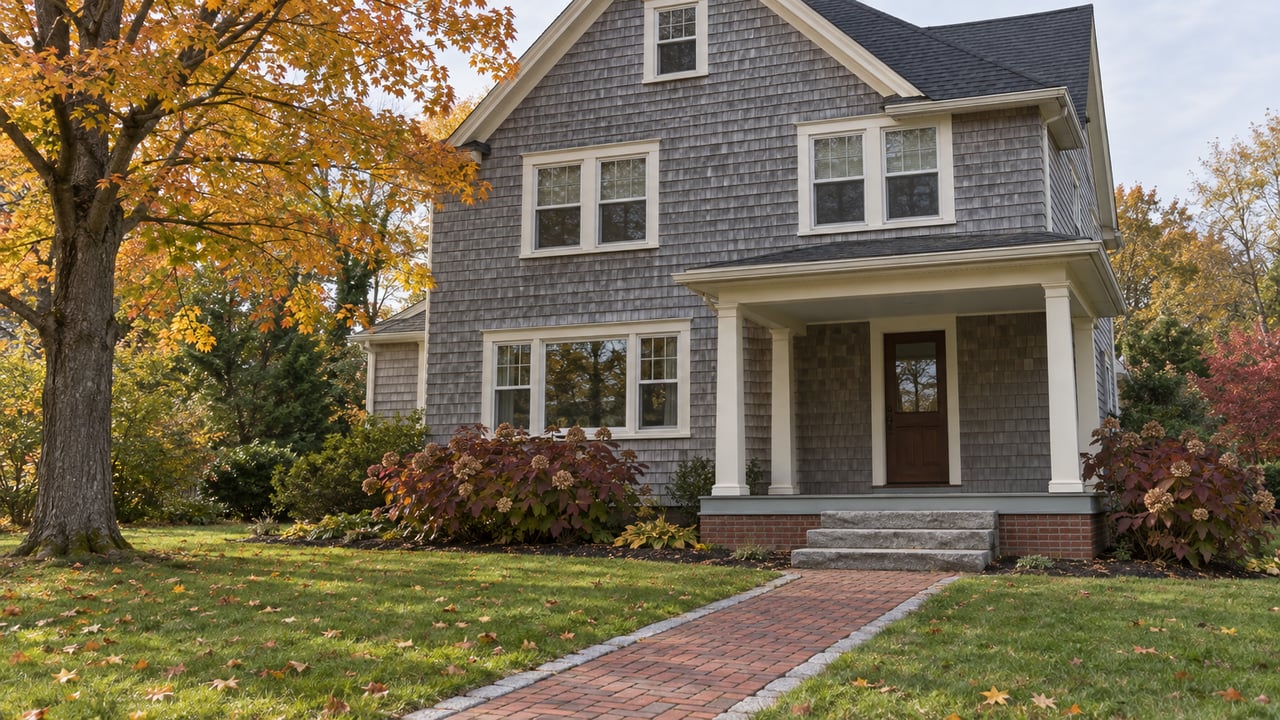
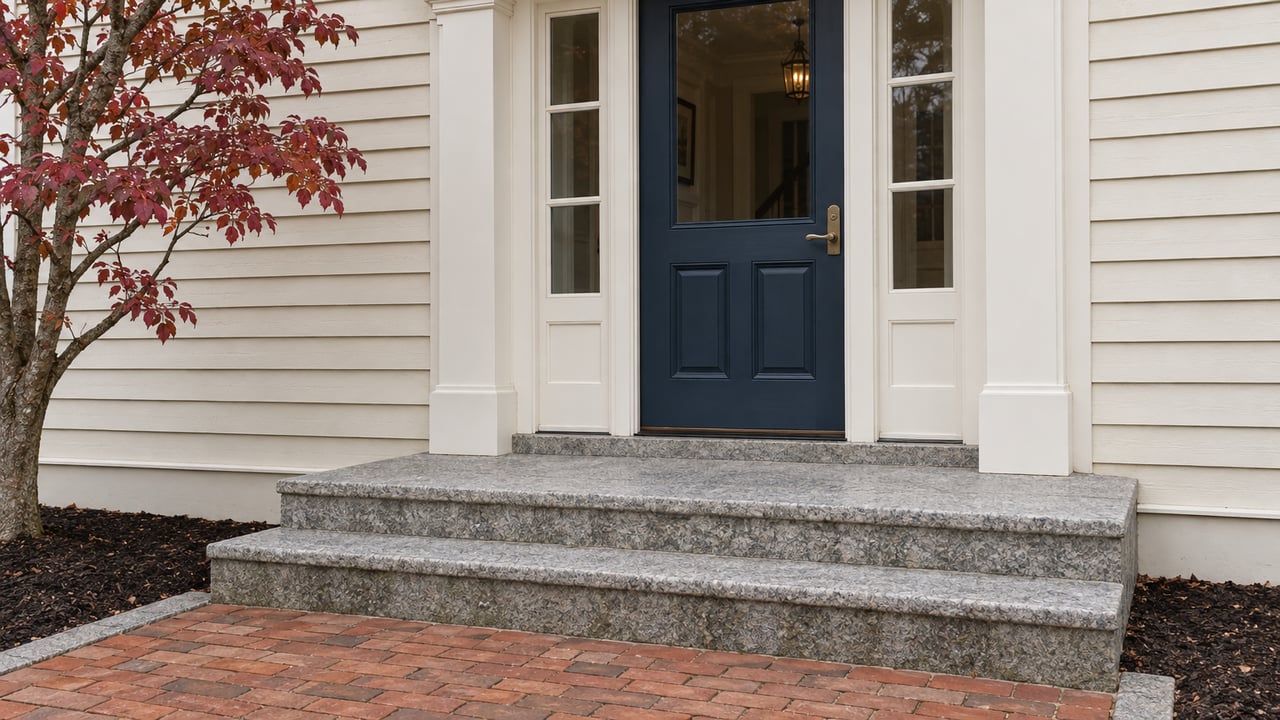
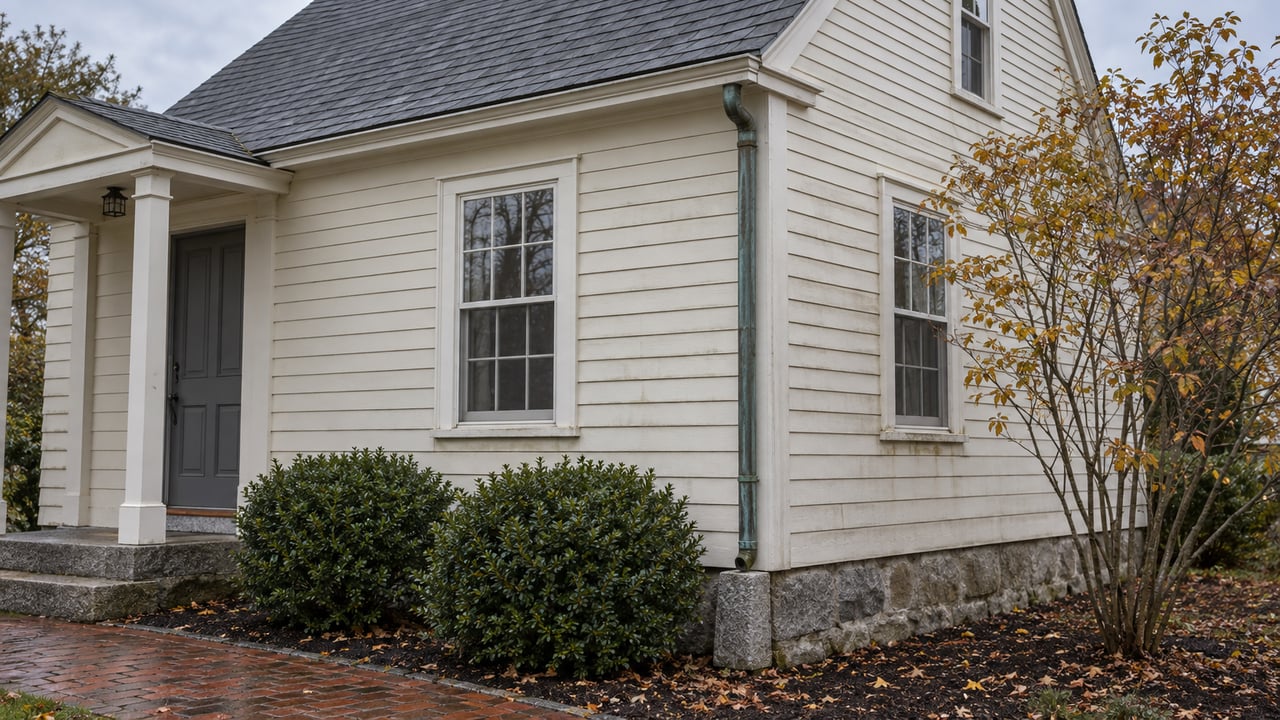
Architectural quality and historic character are another major driver of premium pricing. In Newton’s top villages, buyers are often responding to details that are difficult to reproduce, including period craftsmanship, established streetscapes, and strong architectural continuity.
Historic Newton describes Newton Centre as having a rich collection of late-19th-century suburban architecture and one of the city’s best collections of mid-19th-century residential architecture. Styles in the village include Shingle, Stick, Queen Anne, Colonial Revival, Richardsonian Romanesque, and Italian Renaissance Revival.
Waban includes Shingle, Colonial Revival, and early-20th-century Craftsman homes. West Newton includes Greek Revival, Italianate, Second Empire, and Queen Anne examples. When a home retains strong architectural integrity within one of these established settings, that can strengthen buyer interest and support premium positioning.
Transit access still matters in Newton
Convenience has always been part of Newton’s value story. The city’s own historical materials tie the growth of several villages directly to rail service, and that legacy still shapes pricing today.
Newton Centre became an affluent railroad suburb after frequent commuter service began. Waban expanded after the Highland Branch opened in 1886. West Newton grew with the Boston & Worcester Railroad and later commuter service.
Today, Newton Centre and Waban are served by the Green Line, while West Newton is served by the Worcester/Framingham commuter rail line. For many buyers, access to a station remains a practical advantage that can make a location more competitive.
Village centers and parks reinforce demand
A prime address in Newton is often about proximity to a village center, not just a mailing address. Village centers bring together shops, services, gathering spaces, and a recognizable local identity, all of which can influence how buyers value a location.
The city notes that many of Newton’s commercial, cultural, and social activities are concentrated in these historic centers. It also highlights public spaces that help define each village, such as Newton Centre Playground and Waban Common.
In West Newton, the city’s West Newton Square enhancement project focuses on pedestrian experience, village character, and business climate. That type of public investment can reinforce how a location is perceived and used over time.
Why Newton Centre commands a premium
Newton Centre is one of the clearest examples of station-oriented premium pricing in Newton. Historic Newton describes its transformation from a small agricultural crossroads into an affluent railroad suburb, with large suburban homes developed for Boston commuters.
Its pricing reflects that position. Redfin reported a median sale price of $2.41 million in March 2026, and Zillow’s April 2026 home value index placed Newton Centre at about $1.99 million.
Beyond the numbers, the premium is tied to a combination of factors. Large homes, established architecture, transit access, and a well-defined village center all work together here.
Why Waban sits at the top
Waban’s premium is closely tied to land, architectural consistency, and rail-based village development. The area began with large farms, and later subdivision created an estate-like pattern that still shapes how buyers experience the neighborhood today.
The housing stock includes Shingle, Colonial Revival, and early-20th-century Craftsman homes, and many are listed on the National Register of Historic Places. Waban Common also gives the village a visible center and sense of place.
Zillow’s April 2026 home value index placed Waban at about $2.18 million, the highest among Newton neighborhoods listed on the citywide page. That does not mean every home will perform the same way, but it does show how consistently the market values this combination of land, setting, and architecture.
Why West Newton has a different premium
West Newton also carries a meaningful premium, though its profile is somewhat different from Newton Centre and Waban. Historic Newton notes the village’s commuter-rail roots, substantial period housing, generous lots, and role as Newton’s civic center from 1848 to 1931.
Zillow’s April 2026 home value index placed West Newton at about $1.42 million. That is below Newton Centre and Waban, but still reflects strong value relative to many suburban markets.
Its appeal often comes from a different blend of strengths. Buyers may respond to period housing, civic history, commuter rail access, and the character of West Newton Square rather than the exact same mix that drives pricing in other prime villages.
Citywide context helps explain the gap
Looking at Newton as a whole helps clarify what “premium” really means. Zillow’s April 2026 home value index put Newton overall at about $1.55 million, compared with about $1.87 million in Newton Highlands, $1.99 million in Newton Centre, $2.18 million in Waban, and $1.42 million in West Newton.
Redfin’s March 2026 data showed a similar pattern, with Newton Centre at $2.41 million versus about $1.45 million citywide. The exact spread can change from month to month, but the broader hierarchy appears consistent.
For buyers, that means village selection has real financial consequences. For sellers, it shows why precise location and property positioning matter when setting expectations and preparing a pricing strategy.
What sellers should emphasize
If you are selling in one of Newton’s prime villages, the most marketable features are often the ones buyers cannot easily recreate. Those are usually the attributes that support premium pricing most consistently.
Focus on features such as:
- Larger or more usable land
- Strong architectural detail or preserved historic character
- Proximity to a station, square, common, or park
- A clear relationship to the village center
- A setting that reflects the village’s established streetscape
For higher-end properties, presentation matters too. A home with premium attributes often benefits from careful preparation and marketing that tells a clear location story, especially when the property’s value is tied to nuance rather than just square footage.
What buyers should watch closely
If you are buying in Newton, it is important to compare homes beyond the headline numbers. Similar bedroom count or interior size does not always mean similar value, especially across different villages or even different streets within the same village.
Pay close attention to:
- Lot size and how the land is laid out
- Distance to the village center or station
- Architectural style and condition
- The consistency of the surrounding streetscape
- Access to parks or public gathering spaces
These factors can affect both what you pay now and how the home is positioned when you sell later. In Newton, premium pricing is often rooted in characteristics that are deeply local.
The bottom line on premium pricing in Newton
In Newton’s prime villages, premium pricing is rarely driven by just one feature. It usually comes from a layered mix of land, architecture, transit convenience, and connection to a well-defined village center.
That is why Newton Centre and Waban often sit at the top of the city’s pricing hierarchy, while West Newton holds a different but still meaningful premium. If you understand how those village-specific factors work together, you can make more informed decisions whether you are preparing a sale or evaluating a purchase.
When you want a pricing strategy grounded in Newton’s village-level differences and presented with the care a high-value home deserves, Debby Belt offers senior-level guidance tailored to this market.
FAQs
What drives premium home pricing in Newton villages?
- Premium pricing in Newton villages is typically driven by a mix of lot size, architectural quality, transit access, and proximity to a village center, park, or gathering space.
Why is Newton Centre more expensive than many other parts of Newton?
- Newton Centre combines rail access, large suburban homes, historic architecture, and a strong village center, all of which support higher pricing.
Why does Waban command some of Newton’s highest home values?
- Waban benefits from large-lot development patterns, consistent period housing, Green Line access, and a clearly defined village identity anchored by Waban Common.
How is West Newton’s pricing different from Newton Centre and Waban?
- West Newton’s premium is often tied to commuter rail access, period homes, generous lots, civic history, and village character, though its price point has generally been below Newton Centre and Waban.
What should Newton sellers highlight to support premium pricing?
- Newton sellers should emphasize hard-to-replicate features such as usable land, preserved architectural details, and close access to a station, village square, common, or park.
What should Newton buyers compare beyond square footage?
- Newton buyers should compare lot size, village location, distance to transit and village centers, architectural integrity, and the character of the surrounding streetscape.