Buying or renovating a period home in Waban can feel exciting and a little intimidating at the same time. You may love the charm, scale, and craftsmanship, but still wonder how to evaluate older layouts, original details, and future renovation options. This guide will help you understand what makes Waban’s older homes distinctive, what to look for before you buy, and how thoughtful updates can improve comfort without erasing character. Let’s dive in.
Why Waban’s older homes stand out
Waban’s period homes are tied closely to the village’s development history. Historic Newton notes that Waban was still largely farmland in 1874, and that the Highland Branch rail line that opened in 1886 quickly brought new residents and new house lots. That commuter-suburb story helps explain why so many homes in the area reflect late-19th- and early-20th-century design.
Today, the village is described by the city as a convenience center surrounded by residential neighborhoods. Historic Newton also notes that many Waban houses are Shingle, Colonial Revival, or early-20th-century Craftsman, and that many are listed on the National Register of Historic Places. For buyers, that means you are often looking at homes with both architectural presence and a strong sense of place.
A few landmarks help illustrate that history. The city says the Staples Farmhouse, now associated with the Suzuki School, dates to 1750 and is the oldest original building in the village. Waban Hall and the original H.H. Richardson rail station also reflect how the village has changed over time through reuse, alteration, and loss.
What period-home buyers should notice
When you tour an older home in Waban, it helps to look beyond cosmetic finishes. In many cases, the most important questions are about how much original character remains, how later changes were handled, and whether the home’s current layout works for the way you live.
Floor plans may feel different
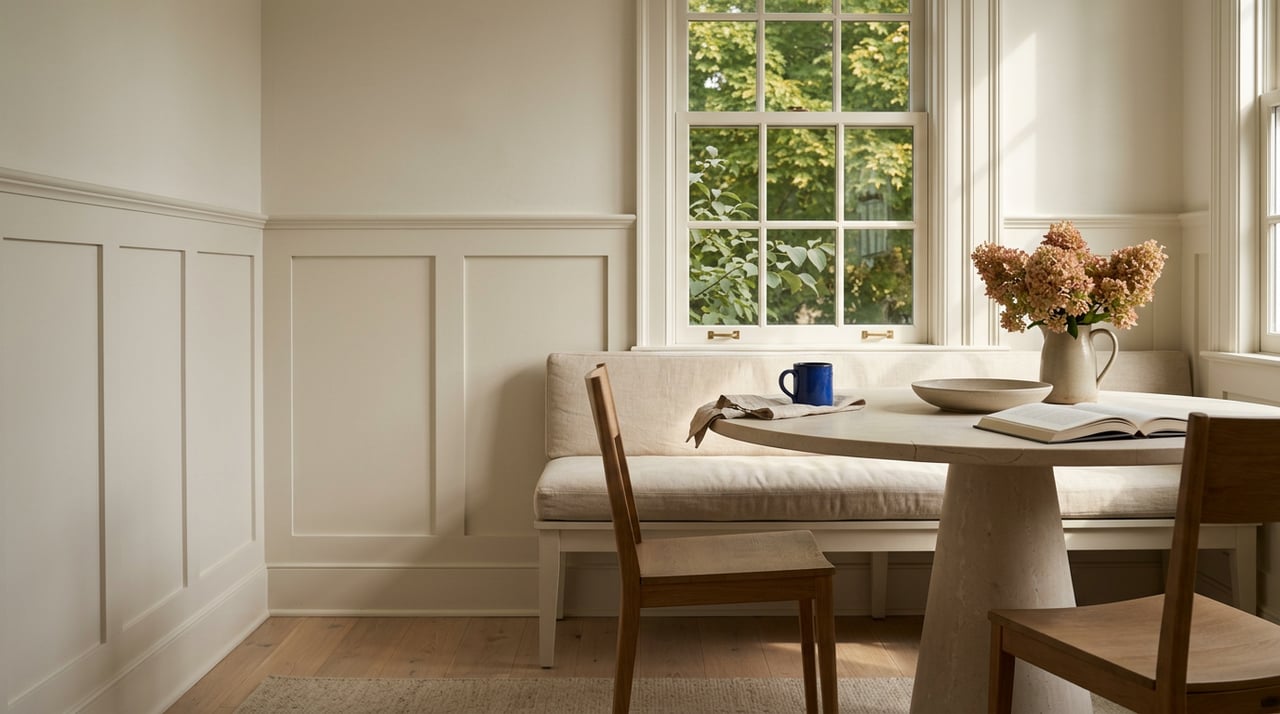
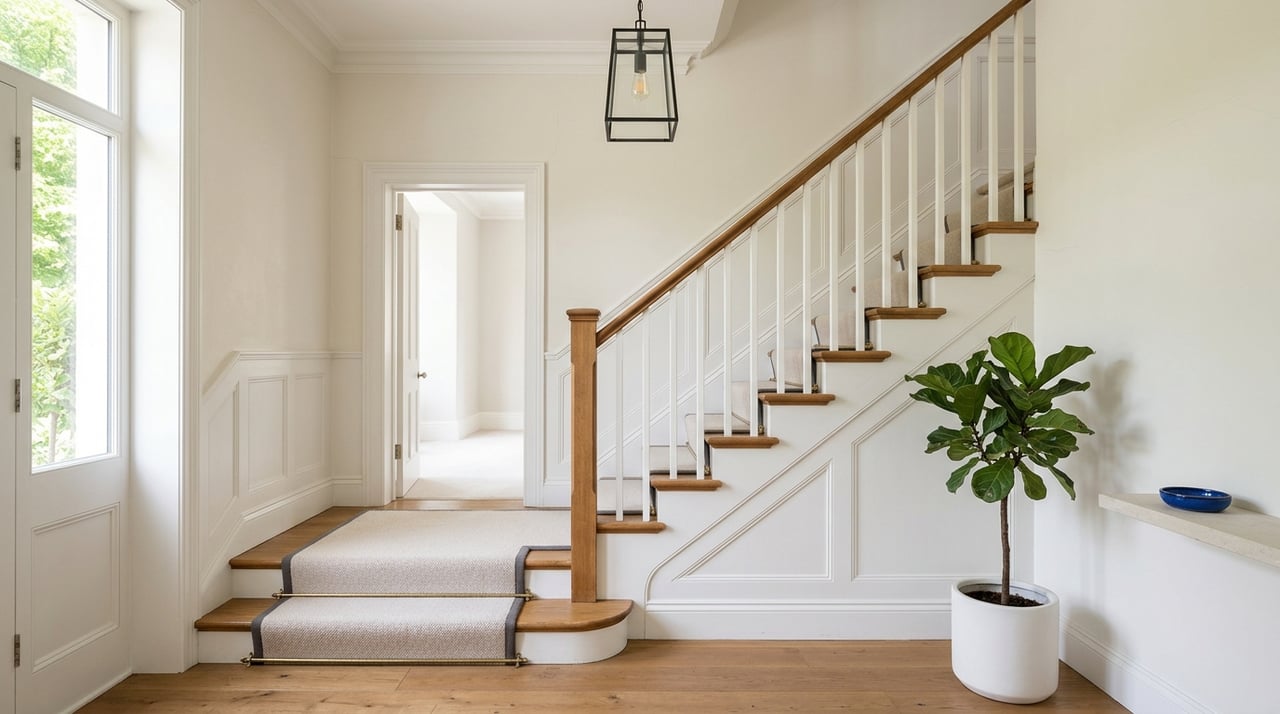
Historic preservation guidance treats a building’s floor plan as something that can define its character. Older homes often changed over time through added or removed walls, which means the layout you see today may blend original rooms with later updates.
National Park Service examples of historic houses also show a pattern common in older homes: formal rooms toward the front and service areas such as kitchens, pantries, and laundry spaces toward the back. In Waban, that often means you should expect a more layered floor plan rather than a fully open contemporary layout.
That is not necessarily a drawback. In many period homes, room separation can create better definition, quieter living spaces, and a stronger connection to the home’s original design. The key is understanding whether the layout feels coherent and whether any additions connect well to the main house.
Windows and exterior details matter
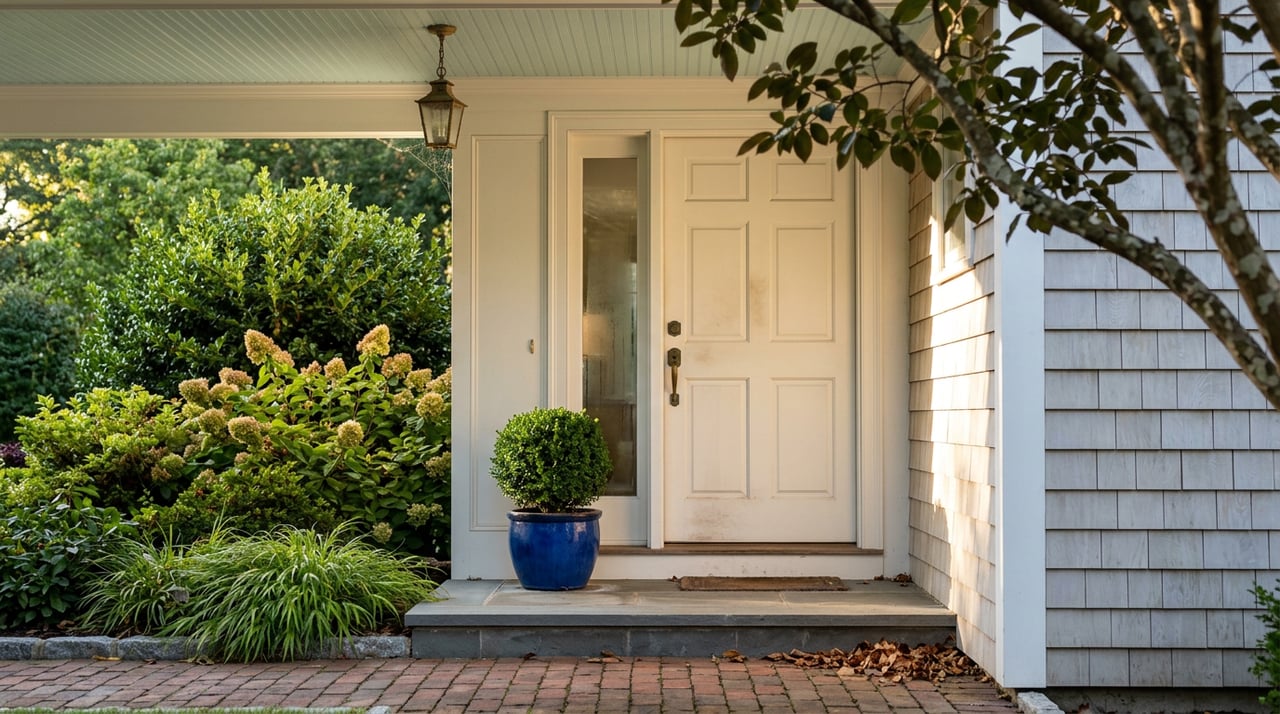
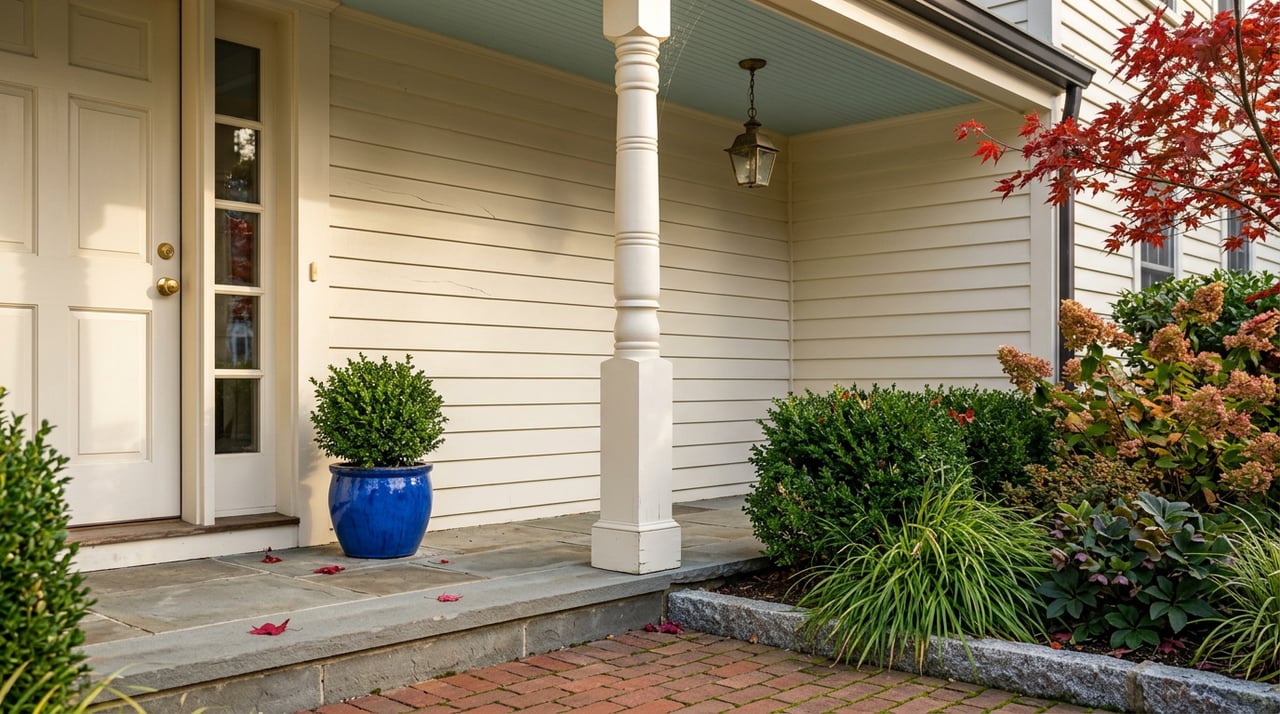
Windows, porches, trim, rooflines, and other wood details deserve close attention. The National Park Service notes that the design and location of windows can affect a building’s character, and that distinctive features should be retained and repaired when possible.
That point is especially relevant in Waban because so much of the village’s housing stock is shaped by Shingle, Colonial Revival, and Craftsman-era detailing. Original trim profiles, porch elements, and window patterns often contribute as much to a home’s value and appeal as square footage does.
If a home has had visible exterior updates, it is worth asking whether those changes were done in a way that respected the original design. A thoughtful renovation often feels seamless. A less compatible one can make an otherwise beautiful home feel disjointed.
How to think about renovations
Many buyers love Waban’s older homes but want better functionality, efficiency, or year-round comfort. The good news is that historic character and modern living do not have to compete.
Repair first, replace second
One of the clearest preservation principles is simple: repair first, replacement second. The National Park Service says deteriorated historic features should be repaired rather than replaced when possible. If replacement is unavoidable, the new work should match the old in design, color, texture, and, where possible, materials.
This matters because period homes often derive their appeal from a collection of details rather than one dramatic feature. Replacing original elements too quickly can flatten the character that made the home special in the first place.
Windows are a common example. The National Park Service notes that repair can include weatherstripping, glazing improvements, and storm windows, and that energy performance alone usually is not a reason to replace historic windows. For many owners, that opens the door to improving comfort while keeping an important part of the home’s identity.
Energy upgrades can still be compatible
Older homes can absolutely become more efficient. The National Park Service says historic properties can be made more sustainable, energy-efficient, and resilient while preserving historic character.
Useful strategies can include caulking, insulation in appropriate locations, efficient HVAC systems, ENERGY STAR appliances, and shading devices. In practice, that means you may not need to choose between character and performance. With the right planning, you can often improve both.
Additions should feel compatible
If you are considering expanding a period home, compatibility matters. A local example comes from the city’s work at the Staples Farmhouse, where the Suzuki School project includes restoration of windows, siding, porch, and gutters, along with a rear classroom annex that the city describes as compatible with the historic building.
That approach offers a useful lesson for homeowners. The best additions usually respect the original structure’s scale, materials, and visual rhythm, while still being honest about what is old and what is new.
What to check before you buy
If you are buying a period home in Waban, due diligence matters. Older houses can offer remarkable beauty and long-term value, but they also benefit from careful review before you commit.
Review prior changes carefully
Look closely at additions, exterior work, and major window changes. Newton’s practical guidance makes this especially important because permits are required for construction, alteration, repair, and demolition, and the city enforces both building code and zoning.
For buyers, that means it is wise to verify whether visible changes were properly permitted. If a kitchen expansion, dormer, porch modification, or exterior replacement work was done years ago, you still want to understand what approvals were obtained.
Know the historic review rules
Newton says any property over 50 years old is subject to Historic Review for exterior alterations. The city also states that partial or total demolition of a building more than 50 years old requires review by the Newton Historical Commission.
This is a key point for Waban buyers. Waban is not one of Newton’s four established Local Historic Districts, which are Auburndale, Chestnut Hill, Newtonville, and Newton Upper Falls. So in most cases, Waban homes over 50 years old are handled through the Newton Historical Commission review path unless a property is separately designated as a local landmark or has a preservation restriction.
That distinction can affect your renovation timeline and design decisions. If you are planning visible exterior work, it is important to understand the city’s process early.
Check the property specifics early
Newton’s preservation materials recommend checking the Assessor’s Map before work begins and using the city’s Historic Preservation Design Guidelines when planning changes. Those resources help clarify whether a property may have special considerations.
They also reinforce why old-house projects often benefit from professionals who understand historic construction details. The difference between ordinary maintenance, repair, and visible exterior alteration can be significant when you are planning improvements.
A practical lens for Waban buyers
When you evaluate a period home in Waban, it helps to focus on a few big-picture questions:
- Does the layout still reflect the home’s original logic, even if it has been updated?
- Are character-defining details like windows, porches, trim, and rooflines still intact?
- Were additions or exterior changes handled in a way that feels compatible?
- Is there a clear path to improving comfort and efficiency without stripping away what makes the house special?
- If you plan future work, will Newton review or permitting affect your plans?
These are often the questions that separate a graceful renovation from one that feels out of sync with the home. They also help you make a more confident buying decision.
In Waban, period homes are not just older houses. They are part of a village shaped by rail-era growth, architectural variety, and long-term stewardship. If you understand what to look for, you can better recognize both the opportunities and the responsibilities that come with owning one.
If you are considering a period home in Waban, or preparing one for sale, working with an advisor who understands both market positioning and the nuances of older housing stock can make the process far smoother. For thoughtful, senior-level guidance in Newton and nearby communities, connect with Debby Belt.
FAQs
What makes Waban period homes different from other older homes in Newton?
- Waban’s older homes are closely tied to the village’s growth after the 1886 rail connection, and many reflect Shingle, Colonial Revival, and early-20th-century Craftsman design.
What floor plan features are common in older Waban homes?
- Many older homes follow a more traditional layout, often with formal rooms toward the front and service spaces like kitchens or pantries toward the back.
What exterior details should buyers notice in Waban period homes?
- Buyers should pay close attention to windows, porches, trim, rooflines, and wood details because these features often play a major role in the home’s historic character.
Can you improve energy efficiency in a Waban period home?
- Yes. Preservation guidance supports compatible upgrades such as caulking, insulation in appropriate locations, efficient HVAC systems, ENERGY STAR appliances, and shading devices.
Do older homes in Waban require historic review for exterior work?
- In Newton, properties over 50 years old are subject to Historic Review for exterior alterations, and demolition-related work may require Newton Historical Commission review.
Is Waban part of a Newton Local Historic District?
- No. Newton identifies Auburndale, Chestnut Hill, Newtonville, and Newton Upper Falls as its four established Local Historic Districts, so most Waban homes follow the Newton Historical Commission review path instead.
What should buyers verify before purchasing a renovated Waban home?
- Buyers should confirm whether prior additions, window changes, or exterior renovations were properly permitted and whether future exterior plans may trigger Newton review.