If you are searching for a home in Chestnut Hill, one detail can change almost everything: Chestnut Hill is not governed by one municipality. A property may carry the same village name, yet fall under Newton, Brookline, or Boston. That can affect the feel of the area, the permit process, taxes, daily services, and even which school lookup tool you need to use. If you want a smoother search and fewer surprises, the first filter to use is municipal boundary. Let’s dive in.
Why municipal lines matter
Chestnut Hill is a place name, not a single government. Official municipal descriptions show that Chestnut Hill spans parts of Newton, Brookline, and Boston-side Brighton, which means each parcel is controlled by the municipality it sits in.
That matters because local rules follow the address, not the village label. Two homes that seem close together on a map may have different permit offices, different tax rates, different snow and trash systems, and different school assignment tools.
For buyers, this is more than a technical detail. It can shape your day-to-day experience of ownership and the long-term flexibility of the property.
How each side of Chestnut Hill feels
Newton-side Chestnut Hill
Newton describes Chestnut Hill as the easternmost section of the city, developed largely between 1880 and 1910. The city also notes that the area retains a rural, estate-like character.
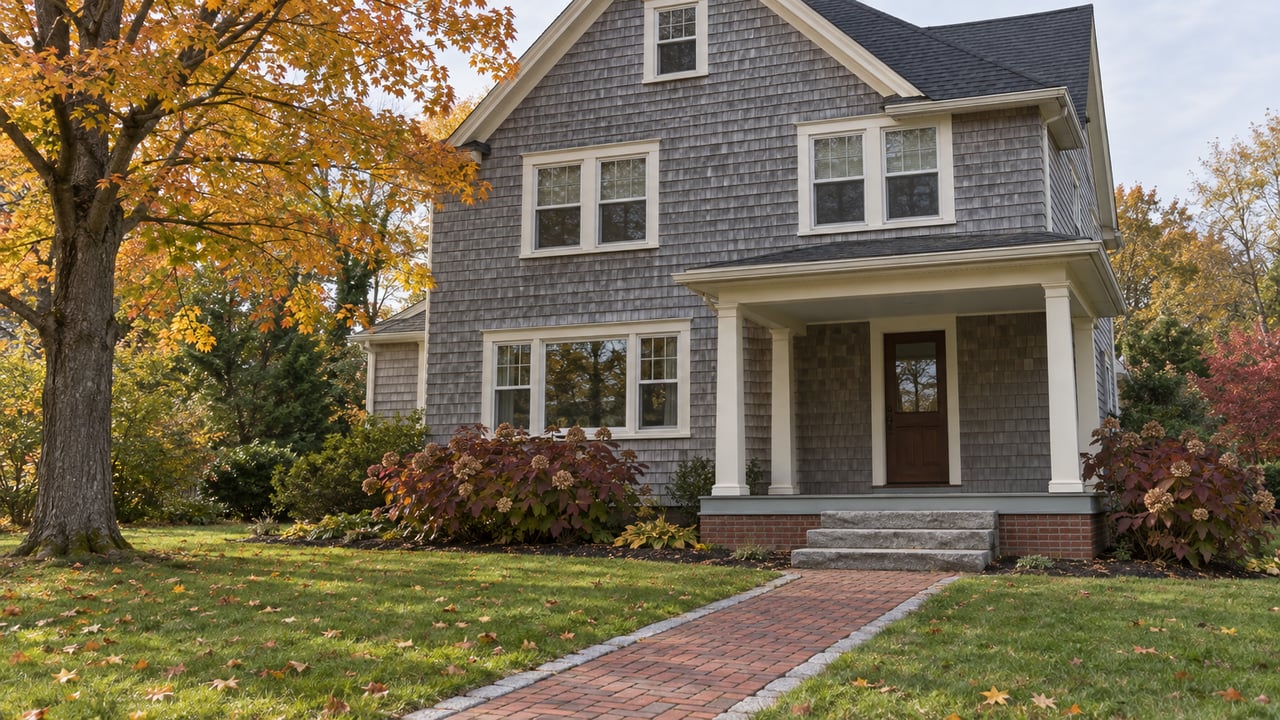
In practical terms, you are more likely to find a wooded, single-family-oriented setting on the Newton side. Newton’s historical materials also point to large homes on landscaped lots, including styles such as Colonial Revival, Georgian Revival, and Shingle.
For buyers seeking estate-scale properties or architect-designed period homes, this side of Chestnut Hill often aligns with that goal. It can feel distinct even when nearby streets share the same Chestnut Hill identity.
Brookline-side Chestnut Hill
Brookline’s official history notes that the original Chestnut Hill development included land in both Brookline and Newton. The town profile describes Brookline as a mature suburban residential community, with less than 6% of land zoned commercial.
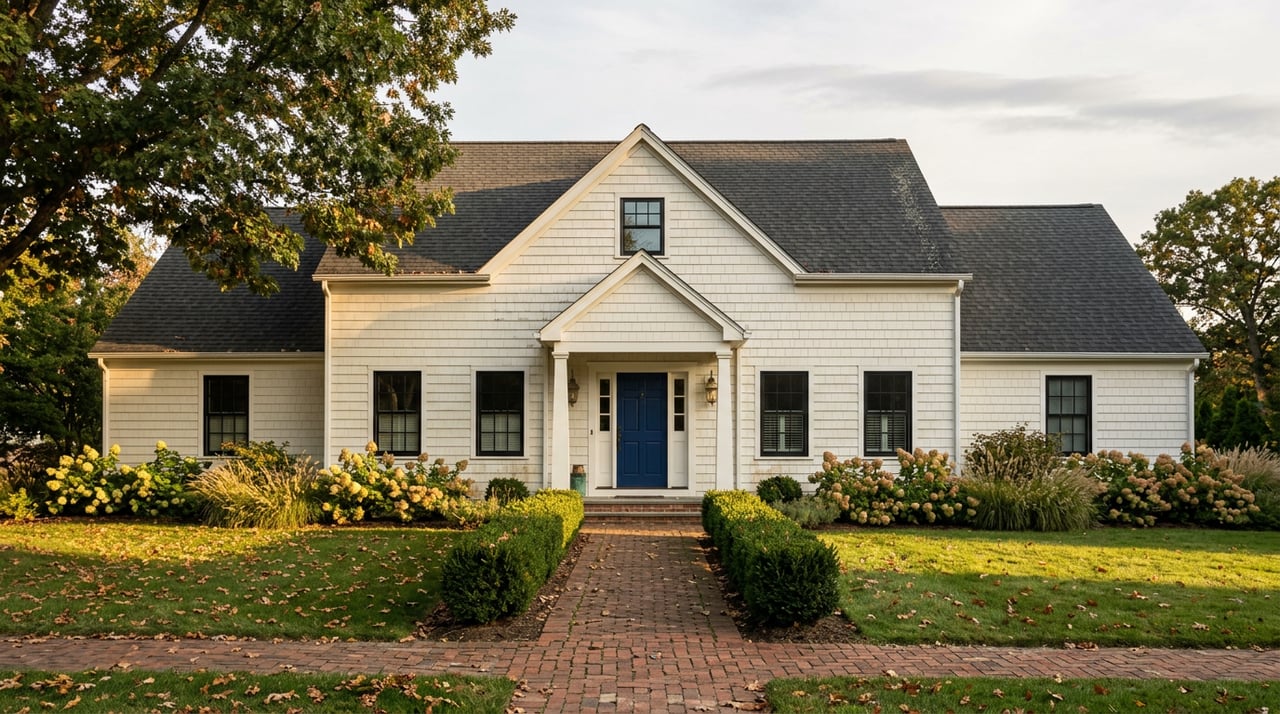
That helps explain why the Brookline side often feels residential even near major roads and village activity. Historic district materials also describe a mix of styles and scales, including wood clapboard or shingle houses in some areas and masonry houses in others.
For many buyers, the Brookline side offers a residential setting with close access to commercial corridors and a town-specific preservation framework. It can feel similar to Newton in some pockets, but the governing rules are different.
Boston-side Chestnut Hill
Boston’s Brighton neighborhood materials describe a more urban fabric with multi-family homes and condos. That creates a different housing mix and a different search experience from the Newton and Brookline sides.
If you are considering a condo, a multi-family property, or a more urban setting, the Boston-side portion of Chestnut Hill may fit better. The key is not to assume the same village name means the same housing stock or ownership experience.
Why Chestnut Hill can feel like three markets
From a home search perspective, Chestnut Hill often behaves like three micro-markets. The village name may suggest one unified place, but the official descriptions from Newton, Brookline, and Boston point to different development patterns, housing types, and local systems.
That difference shows up quickly once you begin comparing properties. One address may suit a buyer looking for a large lot and a historic house, while another may better fit someone prioritizing condo living or a more urban setup.
This is one reason an experienced, address-level search matters in Chestnut Hill. Looking only at the village name or zip code can hide important differences.
Permits can change by address
If you are buying with renovation plans in mind, municipal boundary becomes even more important. In Chestnut Hill, the right first question is often not what do you want to change, but which municipality controls the property.
Newton’s Inspectional Services Department handles permits and enforces the state building code, city zoning ordinance, and other local ordinances. Newton also has a Chestnut Hill Local Historic District with review for exterior changes, although the city notes that the district does not cover the entire village.
Brookline’s Building Department uses an online permit portal and generally reviews permit applications in 7 to 10 days. Brookline also requires permits for certain items that some buyers may overlook, including sheds, fences, driveways, and some curb cuts.
Brookline’s Preservation Commission states that most exterior modifications and some landscape changes in local historic districts require review. For properties near the commercial edge, Brookline also posts Chestnut Hill-specific design guidance and overlay information that can shape redevelopment.
Boston’s homeowner and new-construction permit pages indicate that homeowners may get permits for certain work, while new construction requires an online application plus in-person zoning and building reviews. If you are comparing homes across municipal lines, permit logistics may differ more than you expect.
Historic review may affect exterior plans
Historic review is one of the most important details to verify early. A buyer may love a property and already picture a new addition, revised landscaping, or exterior changes, only to learn that a local historic district or design review process applies.
On the Newton side, some properties may fall within the Chestnut Hill Local Historic District. On the Brookline side, certain local historic district rules and Chestnut Hill design guidance may apply, especially in specific areas and near commercial blocks.
This does not automatically prevent changes, but it can shape the review path and timing. If flexibility matters to you, it is wise to confirm these details before you get too far into the decision process.
Daily services are municipality-specific
Ownership experience is not only about the house itself. In Chestnut Hill, daily services can vary based on which municipality serves the address.
Newton provides trash, recycling, and compost systems, along with a Resource Recovery Center. Newton also states that abutting property owners must clear sidewalks within 24 hours after snow ends.
Brookline’s Highway & Sanitation Division handles solid waste collection, public-way maintenance, and snow removal. The town also publishes curbside collection rules, cart details, and bulky-item pickup procedures.
Boston manages trash-related requests through 311 and provides its own curbside recycling and trash system, along with a Trash Day app. If you care about collection logistics, snow responsibilities, or who to call when something goes wrong, the exact address matters right away.
Property taxes can differ across Chestnut Hill
Carrying costs are another reason to search by municipality first. Research for FY2026 shows different residential tax rates across the three governing jurisdictions.
Brookline’s FY2026 residential rate is $10.24 per $1,000 of assessed value. Newton’s FY2026 residential rate is $9.69, while Boston’s assessing page lists a FY2026 residential rate of $12.40 per $1,000.
Those numbers can change over time, and buyers should confirm current figures directly with the relevant assessor. Still, the broader point is clear: a Chestnut Hill address can place you under a different tax office, a different rate, and a different set of exemption programs.
Brookline and Boston both publish residential exemption information. Newton lists exemptions such as veteran, income-eligible elderly, surviving spouse, blind, infirm, and hardship categories. When comparing homes, that municipality-level difference is worth noting.
School information is address-based
School assumptions can also create confusion in Chestnut Hill. The village name does not determine school assignment on its own.
Newton publishes elementary school district maps. Brookline publishes school district and buffer-zone maps. Boston Public Schools uses a home-based assignment plan and a School Choice Tool tied to the child’s home address.
The practical takeaway is simple: verify the exact parcel, then use the correct city or district lookup for that address. That is the most reliable way to understand what applies to a property you are considering.
A smart way to search Chestnut Hill
If you want to avoid surprises, begin your Chestnut Hill search with the municipal boundary. Once that is clear, the next questions become much easier to answer.
A useful checklist includes:
- Which municipality owns the parcel
- Which permit office handles future work
- Whether a local historic district or overlay area applies
- Which trash, recycling, and snow rules govern the address
- Which tax office and exemption programs apply
- Which school system or assignment tool serves the property
This approach is especially helpful if you are balancing lifestyle goals with long-term ownership plans. It brings clarity to what can otherwise feel like one market on the surface, but three different systems underneath.
Why local guidance matters in Chestnut Hill
In a place like Chestnut Hill, details matter. A polished listing description or a familiar village name does not tell you which municipality governs the property, how future improvements may be reviewed, or what your carrying costs and service systems may look like.
That is why careful, parcel-level guidance can make such a difference. Whether you are looking for a large historic home, a residential setting near village amenities, or a condo with a different ownership profile, the right search starts with the right local context.
If you are considering a move in Chestnut Hill, Newton, or Brookline, working with an advisor who understands these municipal distinctions can help you compare homes more clearly and move forward with confidence. When you are ready to talk through the details of a specific address or your broader goals, connect with Debby Belt.
FAQs
How is Chestnut Hill divided among municipalities?
- Chestnut Hill spans parts of Newton, Brookline, and Boston-side Brighton, so each property is governed by the municipality where it is located.
Why does the municipality matter when buying in Chestnut Hill?
- The municipality can affect permits, historic review, taxes, trash and snow services, and the school lookup process for a specific property.
What is different about Newton-side Chestnut Hill homes?
- Newton’s official history describes an estate-like area with large lots, landscaped settings, and many architect-designed homes from the late 19th and early 20th centuries.
What should buyers know about Brookline-side Chestnut Hill?
- Brookline’s side is often strongly residential, with limited commercial zoning townwide and some areas subject to preservation review or Chestnut Hill-specific design guidance.
How does Boston-side Chestnut Hill compare for housing?
- Boston’s Brighton materials describe a more urban setting with more multi-family homes and condos than buyers typically find on the Newton side.
How can I verify schools for a Chestnut Hill address?
- Confirm the exact property address first, then use the correct municipal or district tool for Newton, Brookline, or Boston rather than relying on the Chestnut Hill name alone.