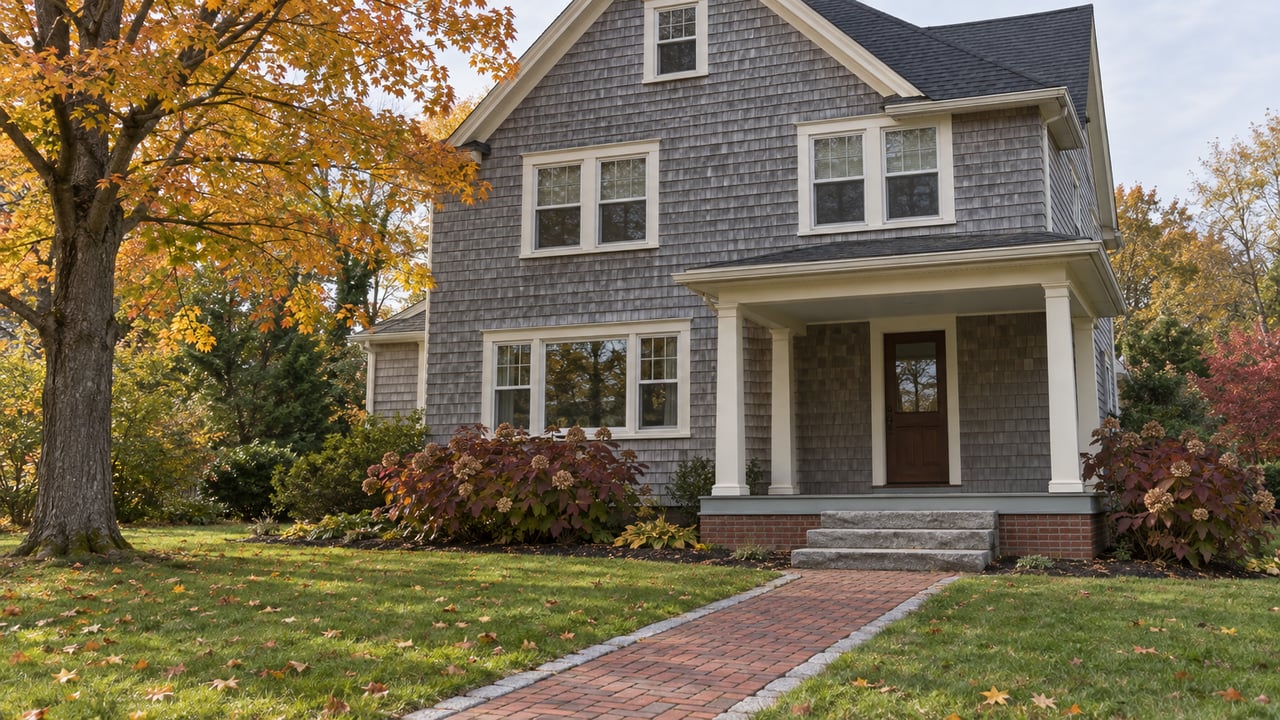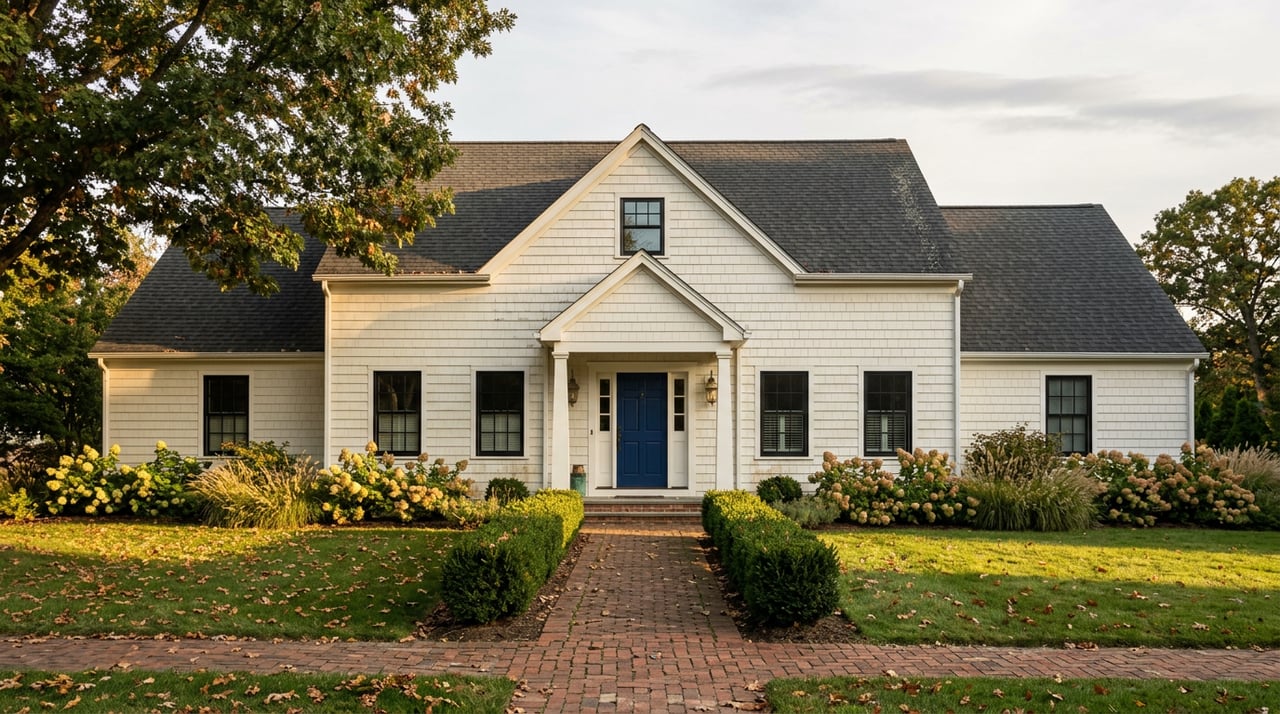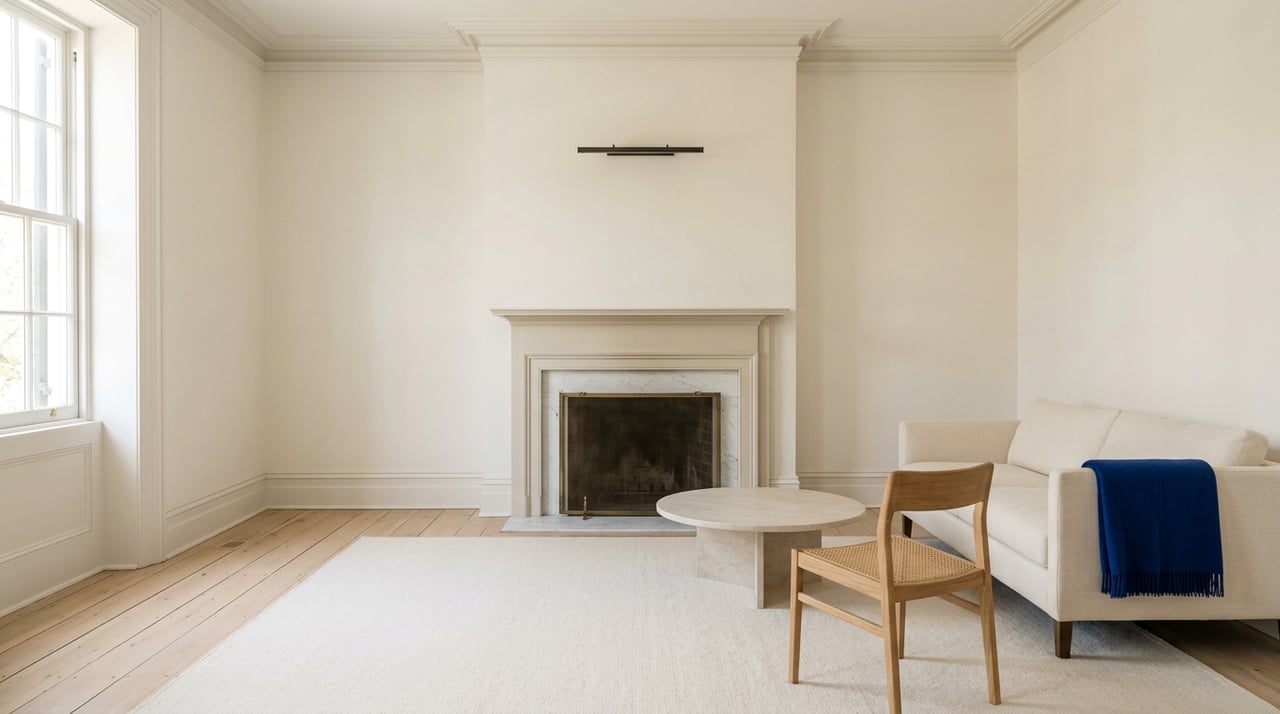
If you own a historic home in West Newton, you already know its charm can be a major selling point. The question is how to present that charm in a way that feels easy, bright, and move-in ready for today’s buyer. With so many older homes in Newton and so much architectural history in West Newton, buyers often weigh character against upkeep from the moment they walk in. This guide will show you where to focus first so you can protect the home’s story while improving its market appeal. Let’s dive in.
Why historic presentation matters in West Newton
West Newton is not a place where older homes feel unusual. According to the City of Newton, West Newton is the city’s best-preserved village center, with many historic buildings from the 19th and early 20th centuries still intact. The city also notes that the West Newton Village Center Historic District was listed on the National Register in 1990, and more than 200 houses on West Newton Hill retain a high level of original architectural integrity.
That context matters when you sell. Newton’s 2026 housing summary reports that 55.6% of housing units were built before 1940, so buyers in this market expect to see older homes. They are often looking for a balance of period detail, visible care, and practical updates that make daily living feel easier.
Start with presentation, not major renovation
One of the biggest mistakes sellers make is assuming they need to modernize everything before listing. In most cases, buyers respond better to a home that feels clean, calm, and well maintained than to broad cosmetic changes that strip away original character. That is especially true in a place like West Newton, where architectural identity is part of the appeal.
NAR’s 2025 staging guidance supports that approach. It frames staging as a way to help buyers picture themselves living in the home, not as a remodeling project. NAR reports that 83% of buyers’ agents said staging made it easier for buyers to visualize a property as their future home, and about half of sellers’ agents said staged homes sold faster.
For a historic home, that usually means simplifying the setting around the home’s best original features. Think woodwork, built-ins, stair details, fireplaces, old windows, or gracious entry halls. You do not need to erase personality, but you do want buyers to notice the architecture before they notice visual clutter.
Focus on updates buyers notice first
If you want to prepare efficiently, start with the items that reduce friction right away. These are the changes that help buyers feel the home has been cared for, without changing what makes it special.
Prioritize these pre-listing improvements
- Deep cleaning throughout the house
- Neutral paint where walls feel dark, dated, or overly personal
- Better lighting in dim rooms, halls, and entries
- Minor trim touch-ups and hardware refreshes
- Removal of bulky furniture that makes rooms feel smaller
- Decluttering of shelves, counters, and closets
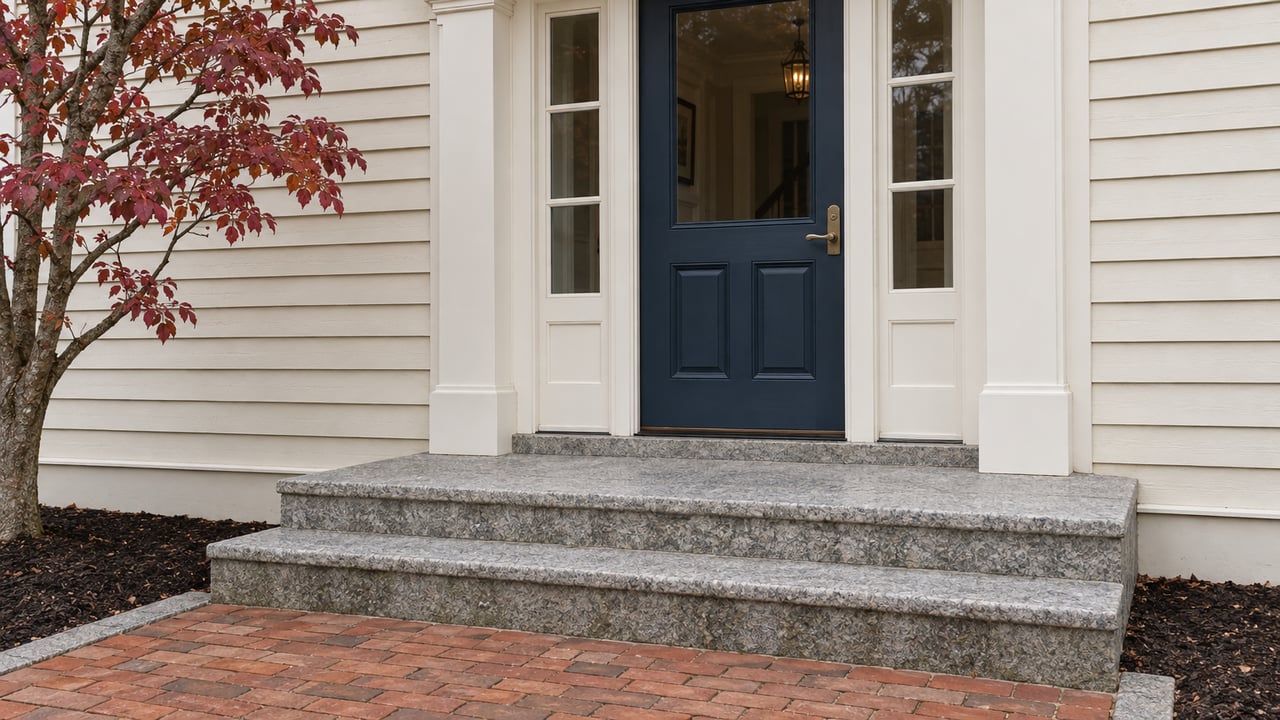
- A simple, welcoming front entry
- Tidy landscaping and manicured outdoor areas
NAR specifically recommends neutral colors, clean and clutter-free rooms, potted plants, and a manicured landscape as part of buyer-friendly presentation. In an older West Newton home, these updates often do more for first impressions than an expensive but unnecessary redesign.
Keep the period charm
Historic homes do not need to compete by pretending to be new construction. In fact, one of their strongest advantages is that they offer details buyers may not find elsewhere. The goal is to make those details feel intentional and livable.
NAR notes that personalized or partial staging can create warmth and showcase character. That is a strong fit for period homes because it allows you to preserve the tone of the property while still giving buyers room to imagine their own lives there.
What that can look like
- Leave a beautifully proportioned dining room lightly styled rather than empty
- Use fewer, better-scaled furnishings so original millwork stands out
- Keep window areas open to bring in natural light
- Edit accessories so fireplaces, staircases, and built-ins become focal points
- Use simple textiles and neutral layers to soften older finishes without hiding them
This approach respects the house instead of flattening it into a generic product. Buyers often respond well when a historic property feels both authentic and easy to live in.
Use a pre-list inspection to avoid surprises
Older homes often raise more buyer questions, even when they have been well maintained. A pre-list inspection can help you identify issues before they show up in negotiations. In Massachusetts, home inspection guidance covers the major systems and components buyers tend to scrutinize most, including heating, cooling, plumbing, electrical, structural components, foundation, roof, masonry, and interior and exterior components.
That does not mean you need to fix every small item. It does mean you can make informed decisions about which repairs are worth addressing before the home hits the market. In many cases, handling visible or straightforward issues early can make the overall sale process smoother.
A practical pre-list checklist
- Review heating and cooling performance
- Check for plumbing leaks or slow drains
- Address obvious electrical concerns
- Repair loose trim, sticking doors, or broken hardware
- Evaluate roof, masonry, and foundation conditions
- Clean and service visible exterior areas
- Organize receipts, reports, and repair records
Clear documentation can help buyers feel more confident. It also supports more direct, fact-based conversations during the transaction.
Be careful with paint and repair work
Many historic homes in West Newton were built before 1978. If your home falls into that category, any renovation or repainting that disturbs painted surfaces should be approached carefully. EPA guidance says contractors performing renovation, repair, and painting in pre-1978 homes must be certified and trained in lead-safe work practices.
For sellers, that means quick cosmetic work should still be planned properly. It is often wiser to coordinate your stager, inspector, painter, and repair vendors in a thoughtful sequence instead of treating each task as a separate last-minute job. That helps protect the property, the timeline, and the quality of the final presentation.
Check historic review before exterior changes
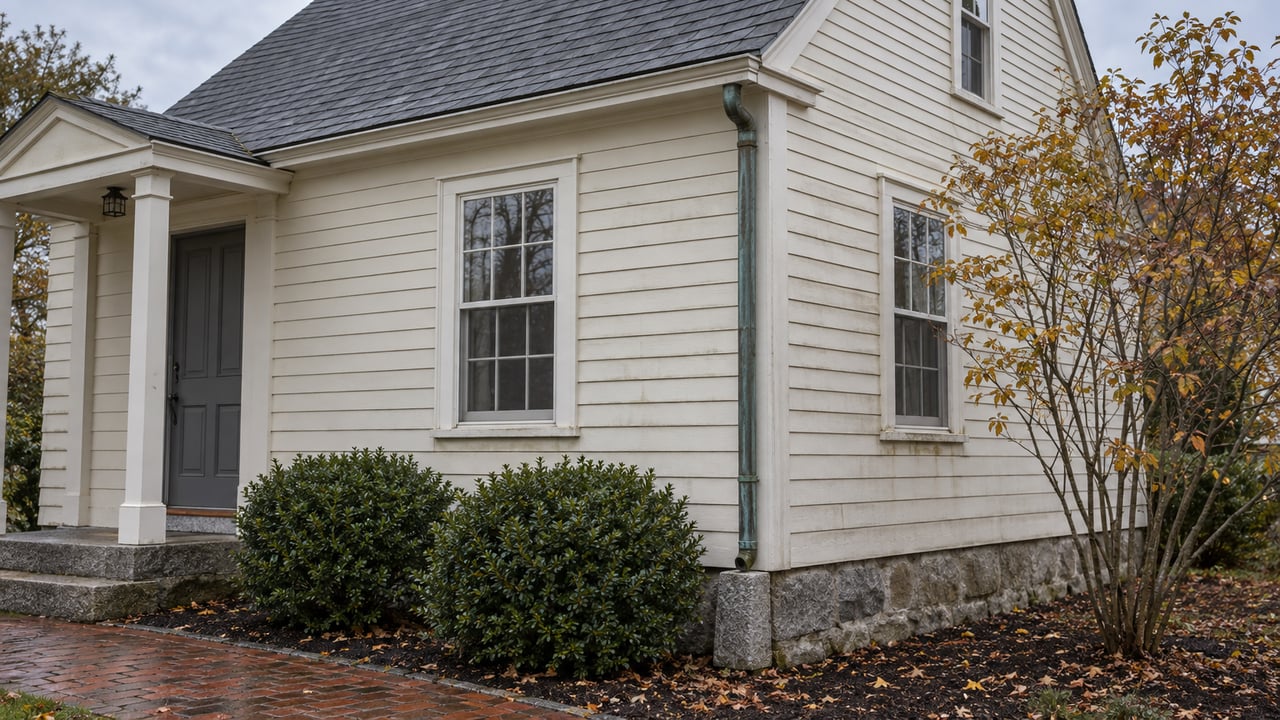
Exterior improvements can help curb appeal, but older homes in Newton may be subject to review before visible work begins. Newton’s historic preservation guidance says any property more than 50 years old is subject to historic review for proposed exterior alterations. The city also states that properties in local historic districts require review for exterior and site changes.
This is especially important in West Newton, where historic context is part of the neighborhood fabric. Before replacing windows, changing hardscape, altering exterior materials, or making other visible updates, confirm the property’s status. Newton advises owners to use the assessing map and MACRIS to check whether a property is in a local historic district, designated as a landmark, under a preservation restriction, or listed on the National Register.
The good news is that not every project requires a full hearing. Newton’s guidance notes that ordinary maintenance and in-kind repairs may qualify for staff-level approval. Still, it is smart to verify first rather than risk delays after work has already been planned.
Understand Massachusetts disclosure and inspection rules
Historic homes often come with more questions, so sellers benefit from being organized and transparent. Massachusetts now gives buyers stronger inspection rights than many sellers realize. The state says sellers and their agents may not condition acceptance of an offer on the buyer’s waiver of a home inspection, and they must provide a separate written disclosure affirming the buyer’s right to inspect before or at the first written contract.
Lead disclosure is also required for most pre-1978 housing. EPA says sellers, landlords, agents, and property managers must disclose any known lead-based paint or lead-hazard information, provide available records and reports, give the buyer the required EPA/HUD pamphlet, include a lead warning statement, and allow a 10-day period for a lead inspection or risk assessment.
Massachusetts also states that most residential sellers who are not in the business of selling homes generally do not have a broad affirmative disclosure duty beyond lead paint, while brokers do have duties to disclose known material facts. In practical terms, it is still wise to document known issues and completed repairs clearly. A clean paper trail is often better than relying on memory or informal explanations.
A smart selling strategy for a West Newton historic home
The strongest prep plan usually starts with restraint. Instead of over-renovating, focus on presentation, maintenance, and thoughtful problem-solving. In West Newton, buyers are often drawn to original character, but they also want confidence that the home has been cared for.
That is where a tailored plan matters. A thoughtful seller strategy may include staging, selective repairs, vendor coordination, and a marketing approach that highlights the home’s architectural identity without overlooking practical concerns. When those pieces come together, a historic home can feel both distinctive and current.
If you are thinking about selling a historic home in West Newton, working with an advisor who understands presentation, timing, and local housing context can make the process far more efficient. For tailored guidance on preparing, positioning, and marketing your home, connect with Debby Belt.
FAQs
What should sellers update first in a historic West Newton home?
- Start with cleaning, decluttering, lighting, neutral paint where needed, minor repairs, and curb appeal improvements before considering larger renovation projects.
Do historic homes in West Newton need full remodeling before listing?
- No. Buyer-focused presentation usually matters more than major remodeling, especially when the home’s original architectural features are part of its appeal.
Should sellers remove period details to attract modern buyers?
- No. In many cases, period details are an asset, and partial or personalized staging can help those features stand out while still making the home feel current.
When should West Newton sellers get a pre-list inspection?
- A pre-list inspection can be helpful early in the preparation process so you can identify issues with major systems and components before they become negotiation points.
Do older Newton homes need historic review for exterior work?
- Possibly. Newton says properties more than 50 years old are subject to historic review for proposed exterior alterations, and local historic district properties require review for exterior and site changes.
What lead-related steps apply when selling an older home in Massachusetts?
- For most pre-1978 homes, sellers must disclose known lead-based paint or lead-hazard information, provide available records, include the required warning language, and allow the buyer a 10-day period for a lead inspection or risk assessment.