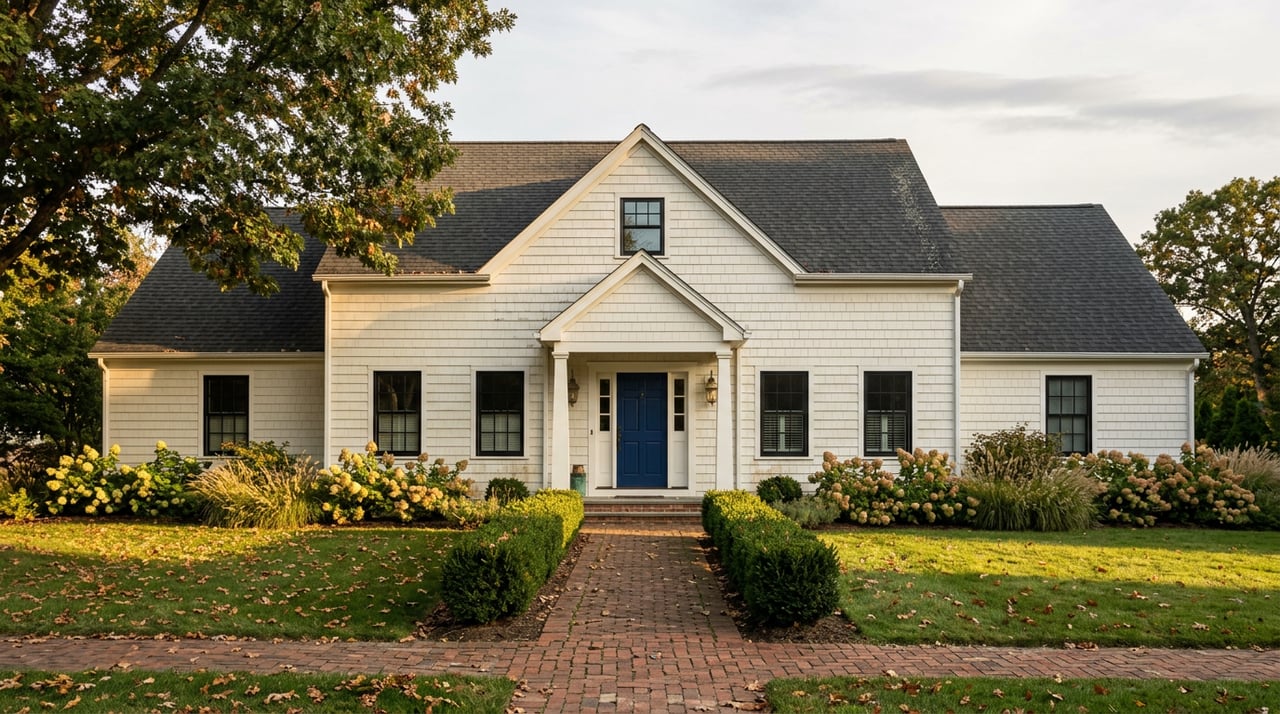
A move within Newton can look simple on a map, but it often feels much bigger in real life. Selling in one village and buying in another can change your commute, your errands, your school assignment, and the overall pace of daily life. If you are trying to line up both transactions at once, you also need a plan for timing, cash flow, and a few Newton-specific details that are easy to miss. Let’s dive in.
Why a Newton-to-Newton Move Is Different
Newton is organized around 13 distinct villages: Auburndale, Chestnut Hill, Newton Centre, Newton Corner, Newton Highlands, Newton Lower Falls, Newton Upper Falls, Newtonville, Nonantum, Oak Hill, Thompsonville, Waban, and West Newton. The city also notes that Newton does not have one single downtown or Main Street. Instead, its village pattern grew around rail stops, mills, and historic thoroughfares.
That matters because moving from one Newton village to another is not just a housing change. It can also shift how you experience the city day to day. A home in West Newton may support a different routine than one in Waban or Newton Highlands, even if the distance between them is short.
Newton also classifies some commercial areas differently. West Newton, Newton Centre, Newtonville, and Nonantum are village centers, Newton Highlands is a neighborhood center, and Waban is a convenience center. For buyers and sellers, this helps explain why two homes at similar price points may appeal for very different lifestyle reasons.
Start With Your End Goal
Before you talk timing, financing, or listings, get clear on what is driving your move. You may want more space, less maintenance, a different commute pattern, or a better fit for your next stage of life. The more clearly you define the goal, the easier it becomes to judge both your sale strategy and your purchase criteria.
This step is especially important in Newton because your next village may offer a very different rhythm without taking you far from your current home. A thoughtful plan helps you avoid solving one problem while creating another. It also makes your decision-making faster when the right property appears.
Why Timing Matters in Newton
Newton remains a high-value and relatively competitive market. Redfin reported a median sale price of $1.45 million in March 2026, with homes selling in about 24 days and receiving an average of 3 offers. In that kind of market, delays or weak coordination can put pressure on both sides of your move.
If your current home sells quickly, you need to know where you are going next. If you buy first, you need a clear plan for carrying costs and liquidity. The best strategy usually starts with understanding how much flexibility you really have.
Sell First or Buy First?
For many households, the default sequence is still to sell first and then buy. This approach can reduce financial strain because you know your sale proceeds before you commit to the next purchase. It can also make your budget more precise when you start writing offers.
The tradeoff is that you may feel pressure to find a replacement home quickly. In a market like Newton, that can be stressful if inventory is tight or if you are targeting a specific village. That is why many successful buy-sell moves are planned well before the home hits the market.
Buying first can work, but it typically requires stronger liquidity and more risk tolerance. If you go this route, you should decide in advance how you will cover the gap between transactions and how long you are comfortable carrying two properties if needed.
The Main Ways to Bridge the Gap
When you are selling in one Newton village and buying in another, most plans fall into a few common paths. The right one depends on your finances, your timing, and how competitive your purchase needs to be.
Option 1: Sell First, Then Buy
This is often the cleanest financial sequence. You sell your current home, know your net proceeds, and then purchase with more certainty. It reduces the chance of being stretched across two major obligations at once.
The challenge is temporary housing or a short-term move if your purchase timeline lags. Still, for many clients, this path keeps risk manageable.
Option 2: Buy With a Sale Contingency
A sale contingency can protect you if your purchase depends on selling your current home. It may help preserve your deposit if the sale does not happen as planned. The drawback is that it can make your offer less competitive, especially in a market where sellers have options.
If you need this protection, it is best to understand upfront how it may affect your negotiating position. In some situations, the extra protection is worth it. In others, it may limit your ability to win the right home.
Option 3: Buy First With Bridge Financing
Bridge financing is a common alternative when you want to buy before your current home closes. Federal mortgage rules recognize temporary bridge loans of 12 months or less, including loans used to finance a new home while the borrower plans to sell the current one within that period.
This option can help you avoid making a weaker sale-contingent offer. It can be useful in a competitive Newton purchase when timing matters. But it also adds complexity, so you want your lender and attorney involved early.
Option 4: Use a Post-Closing Occupancy Agreement
If the timing gap is short, a written sale-leaseback or post-closing occupancy agreement can help. This allows a seller to stay in the home for a limited period after closing while the purchase on the next property is completed.
These agreements should be handled carefully and put in writing. Insurance should be reviewed, lender approval may be needed, and many lenders will not accept leaseback periods longer than 60 days. For the right situation, though, this can be a practical way to smooth out a brief possession gap.
Contingencies That Protect You
In a coordinated buy-sell move, contingencies matter because they shape both your risk and the strength of your offer. The right structure depends on your finances and how much uncertainty still exists around your sale or your loan.
Mortgage Contingency
A mortgage contingency can protect your deposit if financing cannot be obtained, as long as the contract spells that out clearly. If you are counting on financing for the new purchase, this is one of the key protections to review carefully.
Home Inspection Contingency
An inspection contingency can allow you to cancel without penalty if the inspection is unsatisfactory. In a fast-moving market, some buyers feel pressure to narrow or waive protections, but that choice should be made carefully and with a full understanding of the risk.
Sale Contingency
A sale contingency ties your purchase to the successful sale of your current home. It can provide important protection, but it may also weaken your offer compared with one that is not dependent on another transaction.
Budget for the Full Move
A Newton-to-Newton move often looks straightforward until the full cost picture comes into focus. Beyond price and down payment, you need to account for taxes, transfer costs, closing costs, and any overlap between the two homes.
Newton’s FY2026 residential tax rate is $9.69 per $1,000 of assessed value. Massachusetts also imposes a deeds excise of $2.28 per $500 of consideration on real estate transfers. In addition, closing costs commonly run about 2% to 5% of the purchase price, excluding the down payment.
If you are carrying two homes even briefly, overlap in property taxes and other ownership costs should be part of the plan. Clear budgeting gives you more control and helps you decide whether flexibility is worth the cost.
Plan Early With Your Attorney and Lender
In Massachusetts, real estate attorneys are a routine part of buying and selling real estate by both law and practice. That makes early coordination especially important when you are managing two linked transactions.
Your lender should also be in the conversation early. A preapproval letter can help show sellers that you are serious, and it gives you a clearer picture of your financing options before you start making decisions under pressure.
Because the closing is the final step in both the purchase and financing process, good communication among your lender, attorney, and agent can prevent avoidable surprises. In a coordinated move, that kind of alignment is not a luxury. It is part of protecting the outcome.
Do Not Overlook School Assignment Changes
If children are part of your move, an address change within Newton can affect school assignment. Newton Public Schools says families who move within the city must update their address. The district also notes that assigned schools can change based on districting decisions, and some addresses fall within buffer zones where two schools are listed and the final determination is made by the district.
This is worth confirming early in your planning process. Even a short move across Newton can come with different school logistics than you expect.
Newton Details That Are Easy to Miss
Some of the most important moving tasks are not dramatic, but they do matter. Newton’s utility process is one example. The city offers a final water-meter reading and final statement for the sale of property, and buyers and sellers should make the needed water-usage adjustments at closing.
These administrative items can slip through the cracks when you are focused on pricing, showings, and offers. A good timeline should include them from the start.
A Practical Newton Buy-Sell Checklist
If you are planning to sell in one Newton village and buy in another, keep this checklist in front of you:
- Clarify your next-home priorities and target villages
- Decide whether selling first or buying first fits your finances
- Get lender input and secure preapproval early
- Line up your real estate attorney well before closing
- Budget for closing costs, deeds excise, and possible overlap in taxes
- Confirm whether a sale contingency, mortgage contingency, or inspection contingency is appropriate
- Decide whether any timing gap will be handled through bridge financing, a leaseback, or temporary housing
- Update school address information if children are involved
- Schedule the city’s final water-meter reading and closing adjustment process
Why Experienced Coordination Matters
A Newton-to-Newton move asks you to manage two high-value transactions that affect each other at every stage. Pricing your current home, preparing it for market, negotiating your purchase, and aligning dates all need to work together. That is why this type of move benefits from senior-level planning rather than a piecemeal approach.
With the right strategy, you can protect your leverage, reduce unnecessary overlap, and move with more confidence. The goal is not only to close both transactions. It is to make the transition feel orderly, financially sound, and aligned with what you want next.
If you are thinking about buying in one Newton village while selling in another, Debby Belt can help you map out the timing, budget, and strategy with the kind of experienced, hands-on guidance that makes complex moves feel much more manageable.
FAQs
What makes moving between Newton villages different from moving within other cities?
- Newton is organized around 13 distinct villages rather than one central downtown, so a move within the city can still change your daily routine, nearby commercial areas, and school assignment.
Should you sell your Newton home before buying another one in Newton?
- Many households choose to sell first because it reduces financial uncertainty, but the right order depends on your liquidity, timing needs, and risk tolerance.
How does a sale contingency affect a Newton home offer?
- A sale contingency can protect you if your purchase depends on selling your current home, but it can also make your offer less competitive in a market where sellers may receive multiple offers.
What financing option can help if you want to buy in Newton before your current home sells?
- Bridge financing can help cover a temporary gap when you want to purchase a new home before the sale of your current one closes.
What Newton-specific task do sellers often forget before closing?
- Sellers often overlook the city’s final water-meter reading and final statement process, which should be addressed so water-usage adjustments can be made at closing.
Can moving to another address in Newton affect public school assignment?
- Yes, Newton Public Schools says families who move within the city must update their address, and school assignment can change based on districting decisions or buffer-zone rules.