If you’re moving to Brookline from outside the area, South Brookline can be easy to overlook at first. Many buyers arrive knowing the names of Brookline Village, Coolidge Corner, or Washington Square, but they are less familiar with the quieter residential feel on the south side of town. If you want a clear picture of how South Brookline fits into daily life, housing choices, and relocation planning, this guide will help you sort through the details with confidence. Let’s dive in.
South Brookline at a Glance
Brookline describes itself as a mature suburban residential community with urban characteristics, located about four miles from downtown Boston. That mix matters when you are relocating because Brookline can feel different from one area to the next. Some parts are centered around busy retail corridors and rail access, while South Brookline tends to feel more residential and lower intensity.
For many out-of-area buyers, that difference is the main appeal. South Brookline is often less about stepping out your door to a dense commercial district and more about having a quieter setting with access to Brookline’s larger centers by bus, car, or school transportation.
How South Brookline Compares to Central Brookline
If your search started with Brookline Village, Coolidge Corner, or Washington Square, South Brookline may feel like a different version of Brookline. The town’s visitor and transit materials highlight those central neighborhoods as the more active commercial and transit-oriented hubs. South Brookline, by contrast, is generally more residential, with fewer commercial nodes nearby.
That usually means a different day-to-day experience. In central Brookline, buyers often prioritize walkability, rail access, and quick access to shops and restaurants. In South Brookline, buyers are often drawn to the possibility of more space, parking, and a quieter neighborhood setting.
Neither approach is better across the board. It comes down to how you want your week to work, from commuting and school logistics to how much value you place on nearby retail versus a more tucked-away residential feel.
Housing Options in South Brookline
One common misconception is that Brookline housing follows one consistent pattern everywhere. It does not. Brookline’s zoning includes single-family, two-family, three-family, apartment-house, and business districts, which helps explain why housing options can vary meaningfully across town.
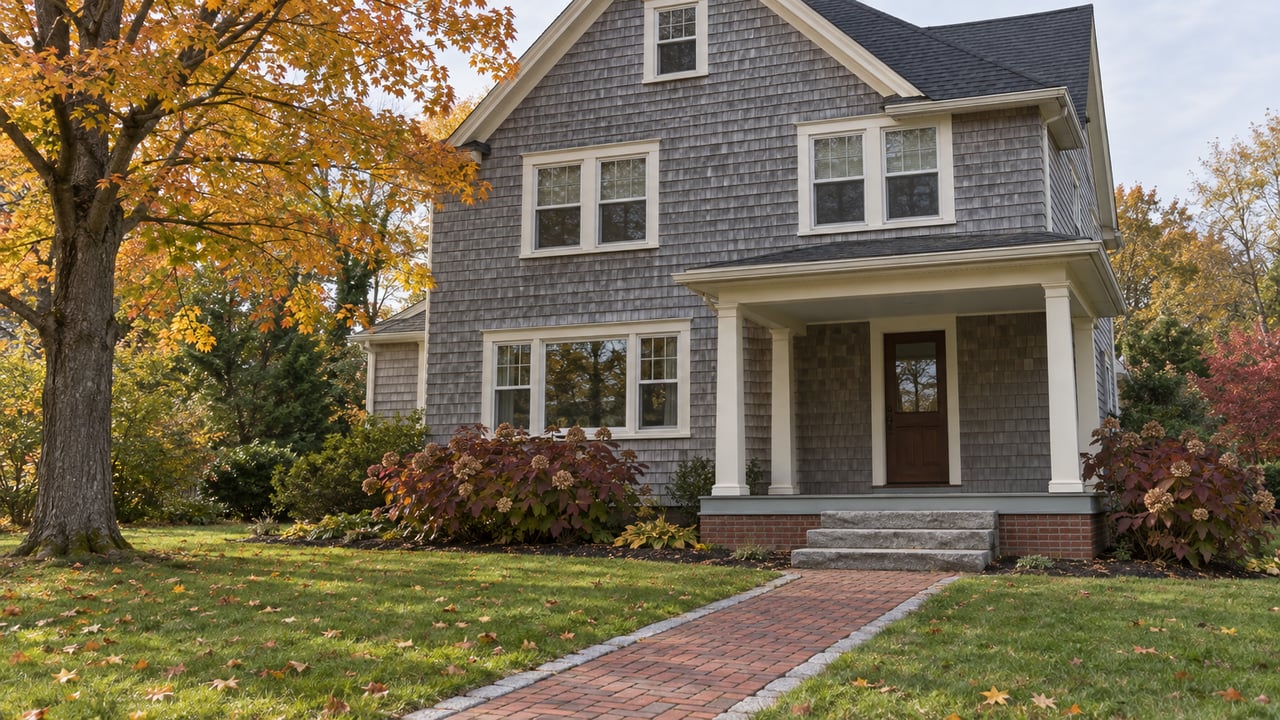
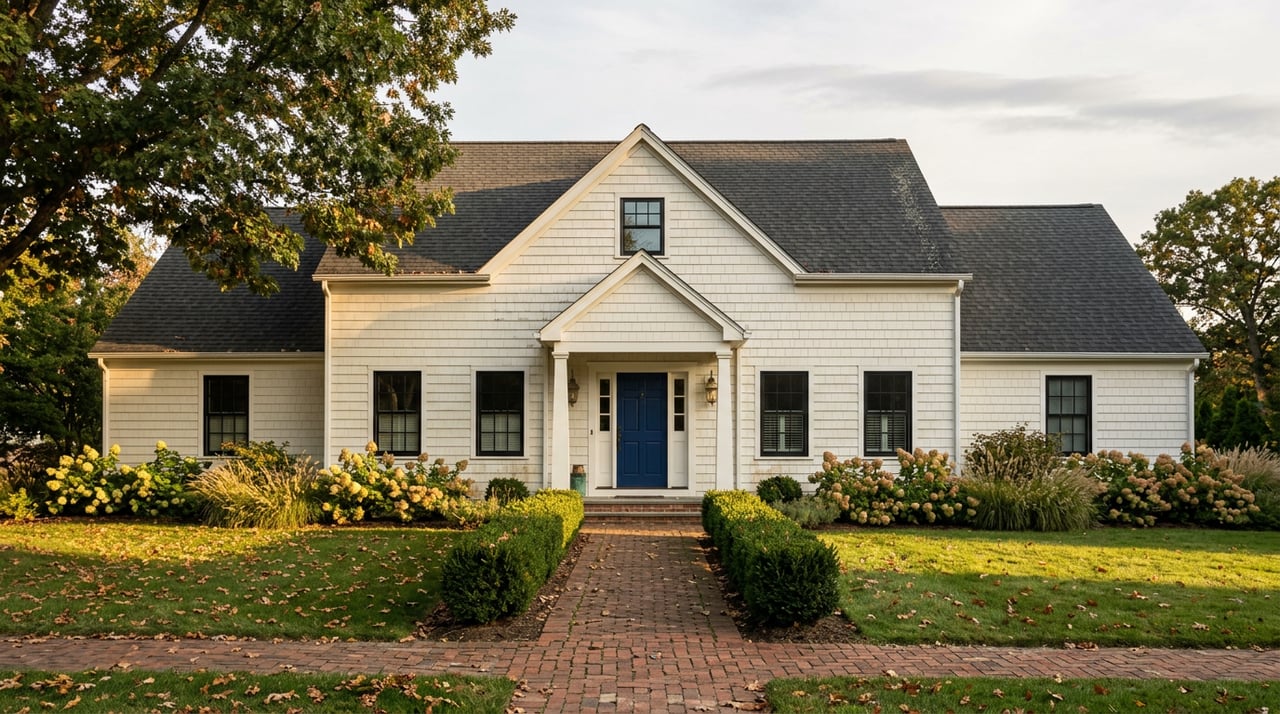
In South Brookline, that variety is especially important for relocating buyers. The area includes low-rise residential neighborhoods, but it also includes multifamily and townhome-style housing. Town materials tied to South Brookline and Hancock Village also point to housing designed for different resident needs, including households looking for a yard and those seeking a garden-style apartment.
That broader mix can be helpful if you are still narrowing your goals. You may be comparing a detached house, an attached home, or a multifamily-style option depending on your budget, space needs, and maintenance preferences.
What Daily Transportation Looks Like
Brookline’s official transportation guidance centers heavily on the MBTA Green Line, especially the C branch along Beacon Street and the D branch through Brookline Village to Reservoir and Cleveland Circle. For South Brookline buyers, rail is often less immediate than it is in Brookline’s central corridors.
That does not mean transportation is limited. It means your routine may rely more on buses, driving, or a combination of travel modes. For many buyers, that is one of the biggest practical differences between a South Brookline address and one in a more rail-adjacent part of town.
MBTA Bus Routes That Matter
Brookline is served by four MBTA bus routes: 51, 60, 65, and 66. For South Brookline, Route 60 and Route 51 are especially relevant because they serve areas including Chestnut Hill, Boylston Street, Grove Street, Newton Street, Clyde Street, Lee Street, and Brookline Village.
Routes 65 and 66 also matter for broader connections. They link Brookline Village, Washington Square, Coolidge Corner, Boston, and Cambridge, which can be useful if your work or regular destinations are spread across the region.
Before you make an offer, it helps to think beyond a map pin. A home that looks close enough on paper may function very differently depending on your nearest bus route, parking setup, and how often you need to reach Boston, Longwood, Cambridge, or nearby suburbs.
School Planning Is Address-Specific
If you are moving with school-aged children, this is one of the most important relocation details to understand early. The Public Schools of Brookline serves more than 7,000 students across one high school and eight preK-8 schools, and school assignment is tied to the specific address, not simply the neighborhood name.
That matters because many buyers assume a general neighborhood automatically points to one school. In Brookline, the district directs families to use its school assignment resources and school finder tools, which means placement should be confirmed based on the exact property.
Baker School and South Brookline
Baker School specifically states that it serves the Chestnut Hill and South Brookline neighborhoods. The district also notes that Baker is one of its largest elementary schools, which makes it a familiar reference point for buyers searching in this part of town.
Even so, it is smart to verify every address directly through the district’s process. A relocation search goes much more smoothly when school questions are answered before you invest time and energy into showings.
Transportation for Students
Brookline states that students who live 1.5 miles or more from their assigned school are eligible for regular transportation. For high school students, the district also notes that residents in the Baker and Hayes zones who attend Brookline High School can participate in a free South Brookline bus service, with stops expected to serve students within about a 0.34-mile radius.
For relocating families, this can shape how you evaluate convenience. A home’s distance from school, available bus service, and your own work schedule may all affect whether a property feels manageable on a school-day morning.
Registration Steps for Families Moving In
If you are relocating from another state, school registration deserves a place on your moving checklist as early as possible. Brookline’s registration checklist requires a parent or guardian ID, one proof of residency, two proofs of occupancy dated within 45 days, plus student records such as a birth certificate and immunization and physical documentation.
In practical terms, this means your purchase timeline and your document timeline need to work together. Utility setup, occupancy paperwork, and record transfers can all affect how smoothly your family transitions into the school year.
A well-planned move usually starts with a few key questions:
- When will you close and take occupancy?
- When will your proofs of occupancy be available?
- Do you need to request school records from another state?
- Will your move happen before the school year starts or midyear?
These are not small details. For many out-of-area buyers, they directly shape which homes feel realistic.
What South Brookline May Offer You
South Brookline often appeals to buyers who want a quieter residential setting within Brookline’s broader town framework. If you are coming from outside Greater Boston, that can be a very attractive balance. You remain connected to Brookline and Boston, but your home search may lean more toward space and everyday practicality than village-center energy.
This area may be worth a closer look if you want:
- A more residential setting
- A mix of housing types
- Access to Brookline while not needing immediate Green Line proximity
- School transportation considerations tied to South Brookline zones
- A search strategy that weighs parking, bus access, and school assignment carefully
That last point is especially important. In South Brookline, the block-by-block differences can be meaningful, and those differences are not always obvious when you are searching from afar.
Smart Questions to Ask Before You Buy
Relocating buyers often benefit from narrowing the search with practical questions, not just price and bedroom count. In South Brookline, a few early answers can save you significant time.
Consider asking:
- What is the exact school assignment for this address?
- What transportation options are realistic for my weekly routine?
- Does this location depend mostly on bus service or driving?
- What type of housing is common on this block?
- How does this address compare with central Brookline for daily convenience?
These questions help move your search from broad curiosity to confident decision-making. They also make it easier to compare South Brookline with other Brookline neighborhoods in a way that reflects your real lifestyle needs.
Why Local Guidance Matters in South Brookline
For an out-of-area buyer, South Brookline can be deceptively nuanced. Two homes that seem close together may differ in school assignment, transportation convenience, parking setup, and housing style. If you are trying to manage a move from another city or state, those details matter.
This is where experienced local guidance becomes especially valuable. Pre-screening the exact address, understanding how the area fits into your commute, and aligning your purchase timing with school registration can make the process much smoother and far less stressful.
If you are considering a move to South Brookline, Debby Belt offers the kind of senior-level, highly personal guidance that helps out-of-area buyers make smart, confident decisions from the start.
FAQs
What is South Brookline like for out-of-area buyers?
- South Brookline is generally a quieter, more residential part of Brookline, with fewer commercial nodes than Brookline Village, Coolidge Corner, or Washington Square.
What types of homes can buyers find in South Brookline?
- South Brookline includes a mix of housing types, including low-rise residential areas, multifamily housing, and townhome-style options.
How do South Brookline residents usually commute?
- Many South Brookline households use buses, cars, or a mix of transportation modes, since Green Line access is often less immediate than in central Brookline.
Which school serves South Brookline in Brookline, MA?
- Baker School states that it serves the Chestnut Hill and South Brookline neighborhoods, but school assignment should always be confirmed by exact address through the district.
What documents do families need for Brookline school registration?
- Brookline requires a parent or guardian ID, one proof of residency, two proofs of occupancy dated within 45 days, and student records such as a birth certificate and immunization and physical documentation.
Is South Brookline a good fit if you want space and quieter surroundings?
- For many buyers, yes. South Brookline often appeals to those who value a more residential setting, parking, and space, rather than immediate access to Brookline’s main commercial centers.