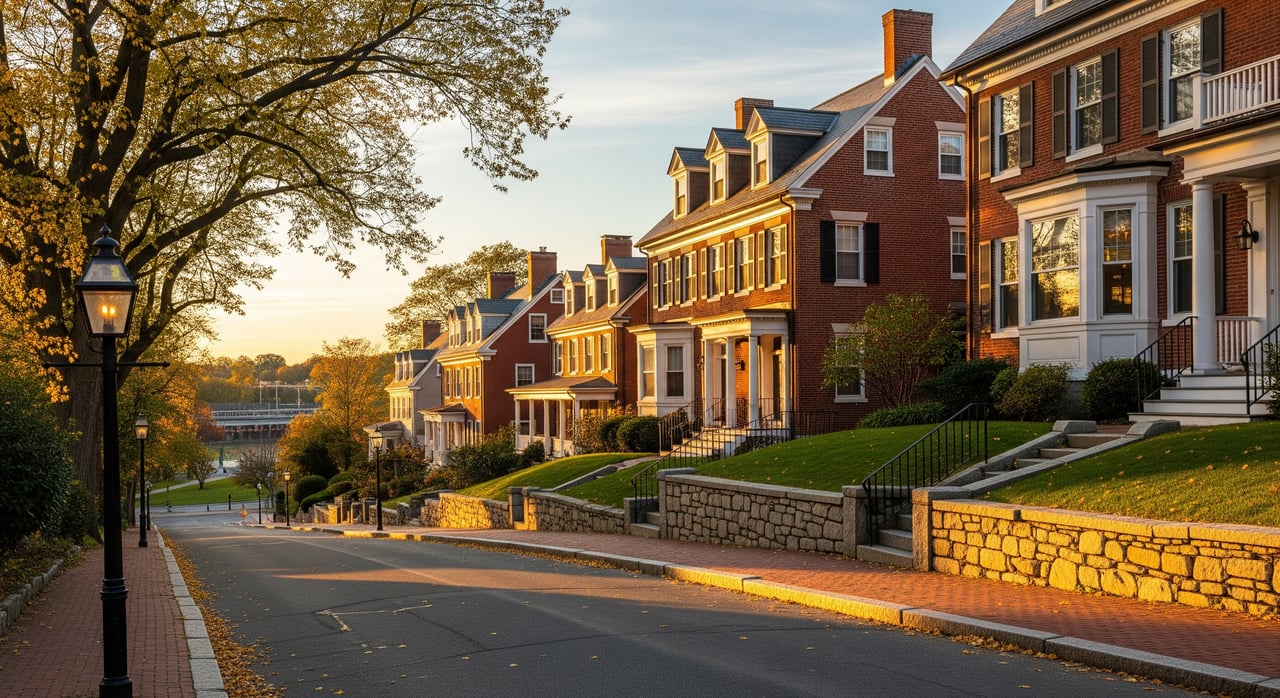
Wondering why two homes a mile apart in Newton can feel like completely different markets? If you are relocating or planning your next move, the 13 villages can be both a gift and a puzzle. This guide will help you translate village-level differences into smarter decisions on price, commute, lifestyle, and timing. You will leave with quick village profiles and a simple plan to focus your search. Let’s dive in.
What “villages” mean in Newton
Newton is one city made up of 13 informal villages. These villages are neighborhood identities, not separate towns. Schools, taxes, and permitting are city-wide, yet day-to-day life is shaped by each village’s center, transit, housing stock, and local institutions.
Because these are unique communities, most buyers search by village name. Agents and market reports track activity at the village level because price patterns and lifestyles vary by area. When you align your priorities with village characteristics, you reduce compromises and find a better fit faster.
Key factors that shape your search
Housing stock and architecture
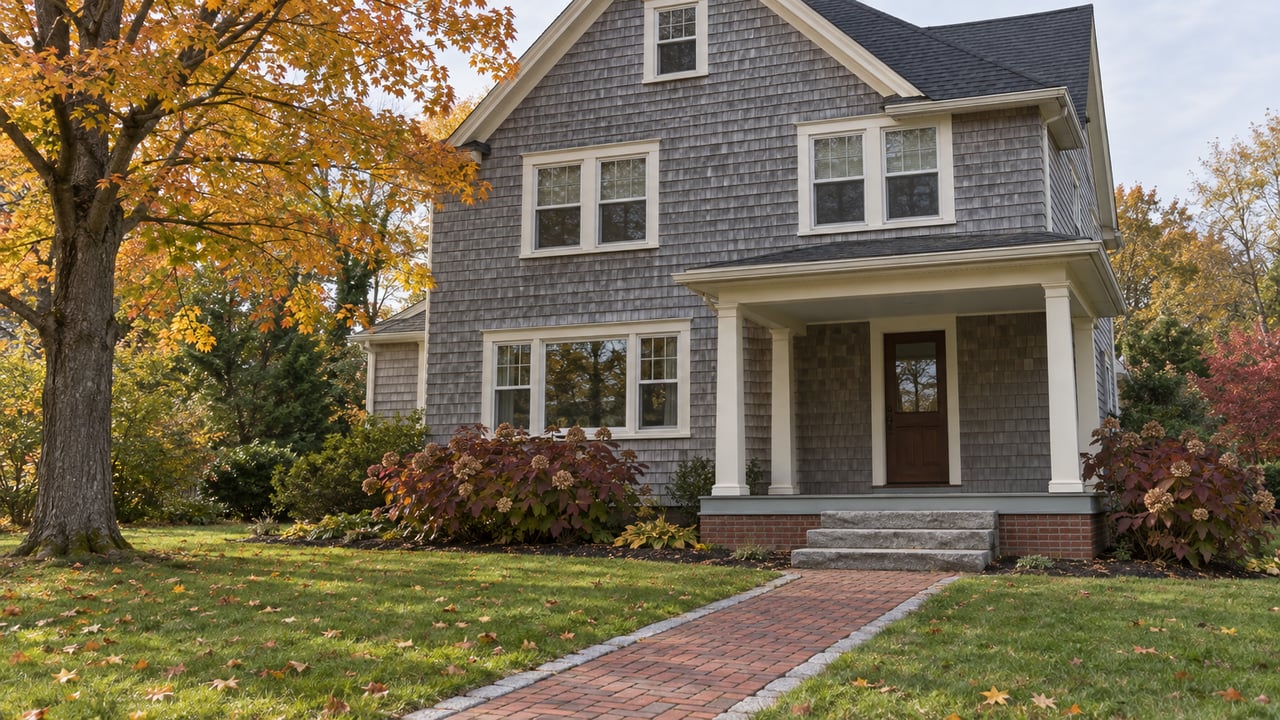
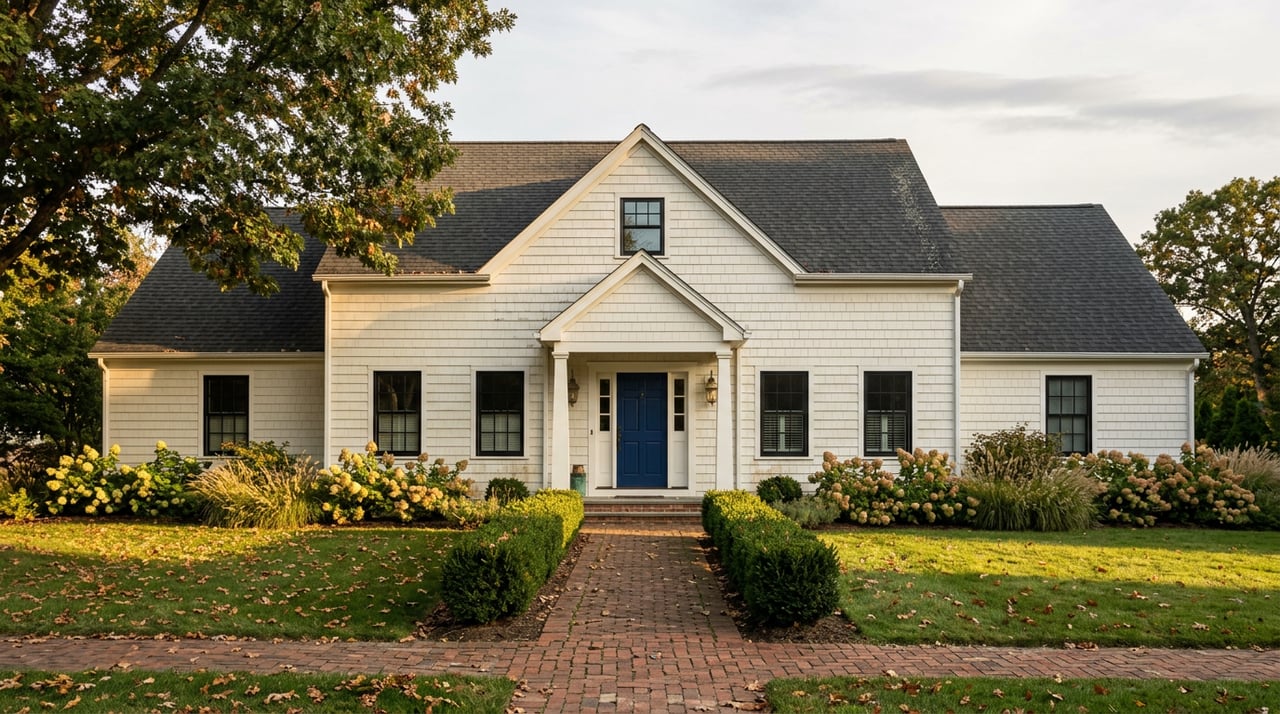
Housing types vary widely by village, from historic Victorians and Colonials to early 20th-century Tudors, mid-century ranches, and newer construction. You will also see townhouses, condo conversions, and multi-family options in certain areas.
If you want classic character and a walkable core, you may focus on Newton Centre, West Newton, or Waban. If you prefer larger lots or newer subdivisions, Oak Hill and parts of Auburndale often come up. The mix of single-family versus multi-family inventory differs by village, which affects both availability and pricing.
Price variation and market dynamics
Newton is one of the higher-priced markets in Greater Boston, yet village-level prices can differ significantly. Properties near village centers or transit often command a premium compared with homes a few blocks away on quieter side streets.
Set village-specific budgets early. A city-wide median tells you less than a side-by-side comparison of your top villages. For sellers, pricing to recent comparable sales within the same village and sub-area is essential.
Schools and education
Newton Public Schools serve the entire city and are consistently strong in state comparisons. School assignments depend on address, which can influence demand in specific neighborhoods.
Confirm the assigned schools for any address you consider. Proximity to well-regarded elementary schools often increases interest, so understand the local map as you weigh trade-offs.
Transit access and commute patterns
Many villages offer commuter options, including the T, the commuter rail, express buses, and convenient highway access. Accessibility to a station or village center can be a value driver.
If you commute to Boston or the Longwood area, prioritize villages with reliable transit or efficient driving routes. For sellers, highlighting access and walkability scores can help your listing stand out.
Walkability, village centers, and daily lifestyle
Each village has its own center with restaurants, shops, parks, and community spaces. Some villages are compact and very walkable. Others offer a quieter, more residential feel with larger yards and leafy streets.
Shortlist villages based on how you like to live. If you want errands and dining within a short walk, look at village-core areas. If you value privacy and outdoor space, focus on more residential sections.
Zoning, lot sizes, and development considerations
Zoning shapes what can be built, lot sizes, and whether homes can be expanded or converted. Several areas include historic overlays or conservation constraints that affect renovations and additions.
If you plan to add living area or create an accessory dwelling unit, research zoning for the specific address early. Sellers weighing redevelopment should consider village-specific constraints and timelines.
Inventory seasonality and competition
Supply and demand vary by village and by housing type. Highly walkable villages near transit and strong schools often see quicker sales and more competition.
Prepare for faster timelines and potential multiple-offer situations in certain core areas. In slower segments, you may be able to negotiate more aggressively.
Quick profiles: Newton’s 13 villages
Use these high-level snapshots to narrow your short list. Local variation exists within each village.
- Auburndale: Suburban feel with a mix of single-family homes and commuter access. A fit if you want larger lots and quieter streets while staying connected to regional transit.
- Chestnut Hill (partly in Newton): An upscale area with high-end homes and luxury amenities, spanning multiple municipalities. Appeals to buyers seeking premium features and access to strong schools.
- Newton Centre: One of Newton’s most walkable village centers with shops, restaurants, and cultural spots. Popular if you want a village-core lifestyle and straightforward downtown access.
- Newton Corner: Historically a transportation hub with mixed housing types. Good for quick highway access and a blend of urban and suburban energy.
- Newton Highlands: Compact, walkable center with restaurants and commuter options. A match if you value village convenience and historic architecture.
- Newton Lower Falls: Wooded, more suburban character near the river, with a quieter center. Attractive if you seek privacy and natural surroundings.
- Newton Upper Falls: Historic mill village with a small commercial core and scenic riverfront. A draw for those who want charm and a strong village community.
- Newtonville: Mixed-use village with transit and diverse housing, including condos, multi-family, and single-family homes. Often chosen for convenience and a wider range of price points.
- Nonantum: Small, historic village with a tight-knit feel and more modest housing options. Can be a relative value within Newton.
- Oak Hill: Residential area with larger lots and a more suburban character. Suits buyers who prioritize yard space and newer subdivisions in parts.
- Thompsonville: Small, residential village with a neighborhood feel and mostly single-family homes. A fit if you want quiet streets near village amenities.
- Waban: Known for its quaint Village, Waban Library, the Windsor Club and easy access to the T, plus proximity to two of Newton's newer elementary schools. Often sought by households that want a classic village feel.
- West Newton: Active village center with restaurants, arts venues, and a mix of housing. Appeals to buyers who want energy, convenience, and transit.
How to use villages in your home search
Define and weight your priorities
List your top categories: budget, commute time and mode, school assignment, housing type and size, walkability and amenities, yard size, architectural style, and timeline. Mark each as must-have, important, or nice-to-have. This turns a long wish list into clear trade-offs.
Narrow to 3 to 5 target villages
Use your priorities to focus on a small set of villages with the best overlap. This reduces the number of listings you track and helps you learn each micromarket more deeply.
Set targeted alerts and filters
Create saved searches by village name with filters for price, property type, and size. If a portal does not offer village names, use zip clusters, public school boundaries, or a radius around each village center to approximate your targets.
Do fieldwork at multiple times
Visit your candidate villages on weekday mornings, weekday evenings, and weekends. Walk the core and side streets. Notice traffic, parking, noise, and how the village feels at different hours.
Verify practical constraints early
- Confirm exact school assignments by address before you get attached to a property.
- Review zoning and any historic or conservation rules that could affect additions or exterior changes.
- Test your commute at peak times to validate assumptions about timing.
Make offers with village comps and a clear narrative
In competitive villages, base your pricing on recent same-village comparables and micro-location specifics, such as proximity to a village center or transit. Pair your offer with a concise narrative that highlights certainty on financing, contingencies, and timing.
Selling? Lead with village fit
Showcase village amenities, transit options, and proximity to parks, libraries, and shops. Use clear references to the immediate micromarket so buyers understand the value of your location compared with listings in other parts of Newton.
When a senior advisor adds value
Newton’s village micromarkets move quickly and often hinge on subtle differences, such as which side of a center you are on, or how a specific street trades versus the next block over. An advisor who knows each village’s inventory patterns, renovation norms, and buyer preferences can help you avoid missteps and secure the right property on your timeline.
If you want tailored, thoughtful guidance on Newton’s villages, connect with Debby Belt for a focused strategy and a streamlined search or sale.
FAQs
What are Newton’s 13 villages and are they separate towns?
- Newton’s villages are informal neighborhood identities within a single city. Municipal services are city-wide, but village centers shape daily life and real estate decisions.
How do school assignments in Newton affect a home search?
- School assignments are based on address, not village name. Always confirm the assigned schools for any specific property you are considering.
Which Newton villages are considered more walkable?
- Villages with compact centers, such as Newton Centre, Newton Highlands, West Newton, and Waban, tend to offer more walkable amenities close to homes.
How does transit access vary by village in Newton?
- Many villages offer light rail, commuter rail, express buses, or quick highway access. Walkability to a station or village center can increase demand and pricing.
Do home prices differ a lot between Newton villages?
- Yes, village-level micromarkets can show meaningful price differences, especially for properties near village centers or transit compared with quieter side streets.
What should sellers highlight about their village when listing?
- Emphasize village amenities, transit options, school assignments by address, and proximity to parks and shops. Use recent same-village comparables to support pricing.