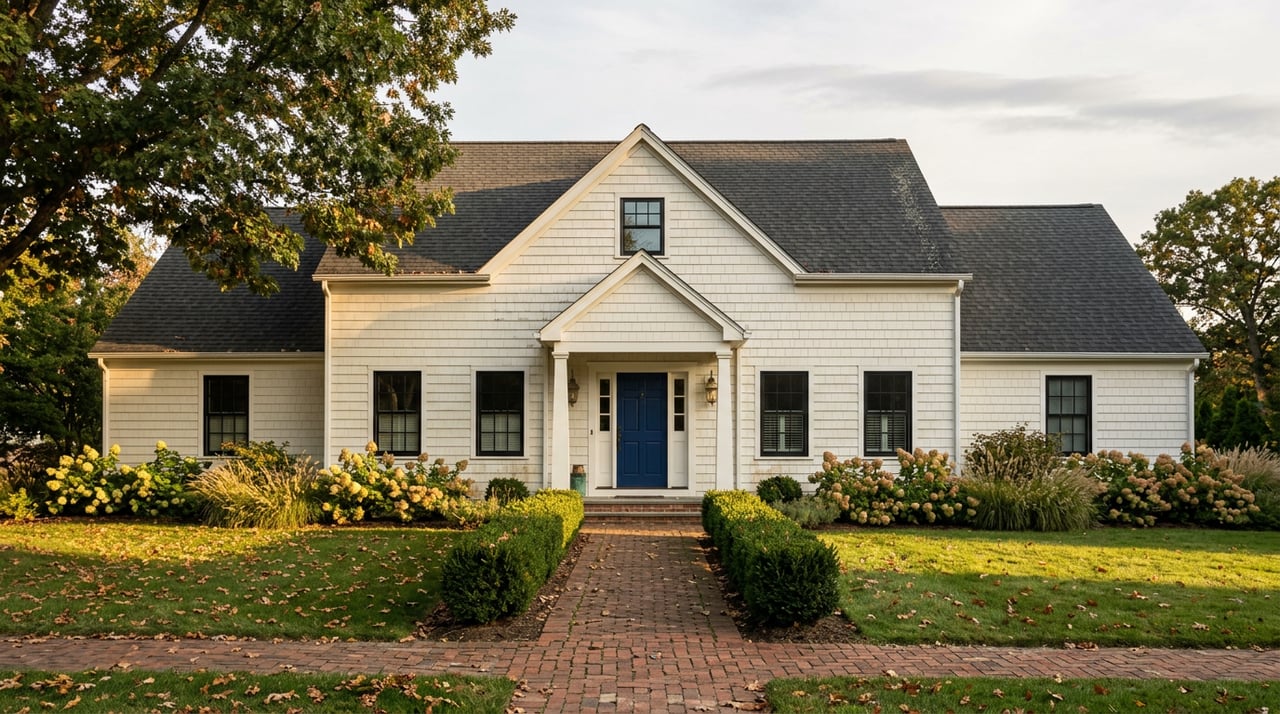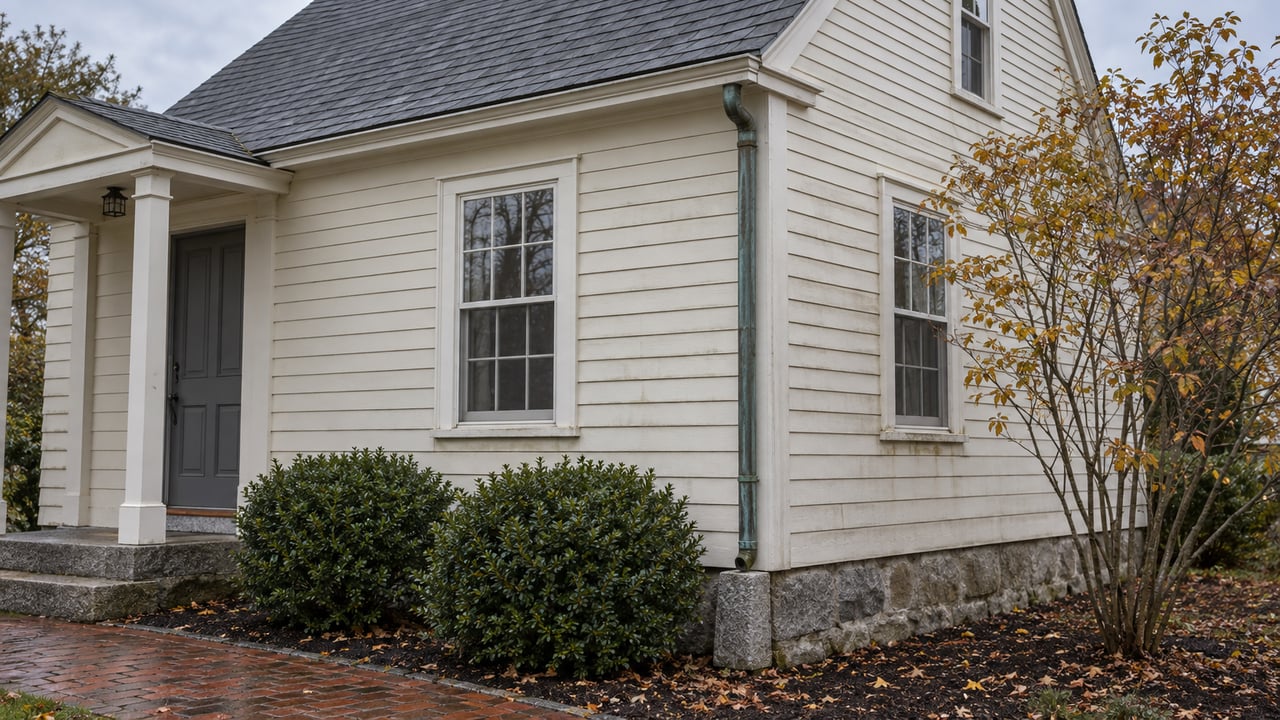
A home inspector walks through a hundred-year-old Colonial Revival on a tree-lined West Newton street, notes the knob-and-tube wiring in the attic, writes it up, and moves on. The trouble shows up later, and in a different office entirely.
West Newton's housing stock is old enough that this scenario is closer to routine than exception. Roughly 52 percent of homes across Newton were built before 1939, and the city's median home is around 80 years old, according to BeaconLight Home Inspection, a Newton-based inspection firm run by Phil Cucchi, a Newton Fire Lieutenant and licensed inspector. That means knob-and-tube wiring, the ceramic-knob-and-tube system that was standard from roughly the 1880s through the 1940s, is baked into the Colonial Revivals and shingle-style houses that line West Newton's streets, not confined to a handful of fixer-uppers.
Where the risk actually surfaces
The wiring itself often still functions. Insulation on the original cloth-and-rubber conductors dries out over decades and can crack, and the system was engineered to dissipate heat in open air, which means the blown-in attic insulation many owners have added over the years for efficiency removes the one thing keeping the wiring safe. None of that shows up as a visible symptom until it does.
What actually stalls a closing is the insurance underwriting desk. A growing number of carriers decline to write new policies on homes with active knob-and-tube wiring at all, or they price the risk in with premiums 50 to 100 percent higher than a comparable home with modern wiring. If the buyer's chosen carrier won't bind coverage, or comes back with a quote that changes the buyer's monthly budget, that surfaces days before the scheduled closing rather than during the inspection period when there's still room to negotiate a repair credit.
Aluminum branch-circuit wiring, installed widely in homes built or renovated from the mid-1960s through the 1970s, creates a similar underwriting problem without the obvious tell of ceramic knobs in the attic. Aluminum connections loosen and overheat differently than copper, and the fix isn't a simple swap at the outlet. A house that looks fully modernized on a walkthrough can still carry this risk behind a newer panel.
The fix that doesn't require a full rewire
The instinct once a seller learns their home might have active knob-and-tube or aluminum wiring is to assume the only path forward is a complete rewire before listing. That's rarely the fastest or most necessary route. Newton electricians, including Castle Electric, commonly start with a mapping inspection, a targeted assessment priced around $300 that documents exactly which circuits are still live, where the highest-risk runs sit, and what an insurer or lender would actually need to see. From there, the highest-risk sections get addressed first, and the rest can wait if a buyer's carrier is comfortable with a documented, code-compliant panel and grounded main circuits.
Getting that mapping report done before a home goes on the market, rather than after an accepted offer, hands a seller something concrete to put in front of a buyer's insurance agent early. It turns a potential late-stage scramble into a line item that's already been handled.
The certificate running on its own clock
Separately from wiring, every home sale or transfer in Massachusetts requires a Certificate of Compliance from the local fire department confirming that smoke and carbon monoxide alarms meet code, under Massachusetts General Law Chapter 148, Sections 26F and 26F½. This isn't optional and isn't something a closing attorney can waive. What changes is which code applies, and that depends entirely on when the house was built or last permitted for a substantial renovation.
LegalClarity says homes permitted after August 27, 1997, need a smoke alarm inside every bedroom, and homes permitted after January 1, 2008, with an attached garage need a heat detector.
Newton layers its own ordinance on top of the state minimums. Under city code Chapter 10, Section 10-11, every smoke detector in the city must be photoelectric, mounted on the ceiling, and no more than 10 years old, with any unit manufactured after 2016 required to carry a sealed 10-year battery. A West Newton seller can still fail Newton's own inspection over ceiling placement or a detector that's aged out.
Homes with a monitored fire alarm panel add another wrinkle specific to Newton's process: someone capable of operating that panel needs to be on site during the inspection to put the system into test mode. For the larger, security-monitored homes common in this price range, that means coordinating a third party's schedule alongside the fire department's, not just the seller's.
Newton's Fire Prevention Division recommends booking the inspection about a month before the closing date. That timeline matters because North Andover says certificates in most Massachusetts cities and towns have a 60-day validity period. A deal that drags through financing contingencies or a title issue can push past that window without anyone noticing until the closing attorney asks for a certificate that's no longer valid. Newton doesn't publish its own expiration period, so confirming the current window directly with Fire Prevention before scheduling is worth the phone call.
What this means if you're listing in West Newton
The pattern across both of these friction points is the same: they don't announce themselves during the inspection period, and they run on their own timelines that don't automatically sync with a typical 30- to 45-day closing. A seller who treats the wiring and the smoke certificate as pre-listing tasks, rather than post-offer paperwork, removes two of the more common reasons an otherwise clean West Newton sale slips its closing date.
That means getting a mapping inspection on an older home before it hits the market, having a documented answer ready if a buyer's insurance agent asks about the wiring, and calling Newton Fire Prevention early enough that the 30-day booking window and the 60-day certificate clock both land comfortably inside the actual closing timeline. For a house that's been in the same family for decades, this is often the first time anyone has looked closely at what's behind the walls since the wiring went in.
A few questions worth answering directly
What should sellers know about knob-and-tube wiring? A home inspector will note it without failing the inspection; the practical issue is whether the buyer's insurance carrier will cover the home.
How long is my smoke and CO certificate good for? Most Massachusetts cities and towns issue certificates with a 60-day validity period. Newton doesn't publish its own expiration window, so it's worth confirming directly with Fire Prevention when you schedule, especially if your closing date has already shifted once.
What can help the buyer's insurance agent assess the wiring? Having a mapping inspection already done, and knowing which circuits are and aren't still live, gives the buyer's insurance agent something concrete to underwrite against instead of a blanket "older home" flag.
If you're weighing whether your West Newton home's wiring or smoke detector setup could complicate a future sale, Debby Belt can walk through what your home's specific age and permit history mean before you list, so the surprises show up on your timeline instead of the buyer's.
This article is general information, not legal, tax or financial advice. Consult a qualified professional about your situation.